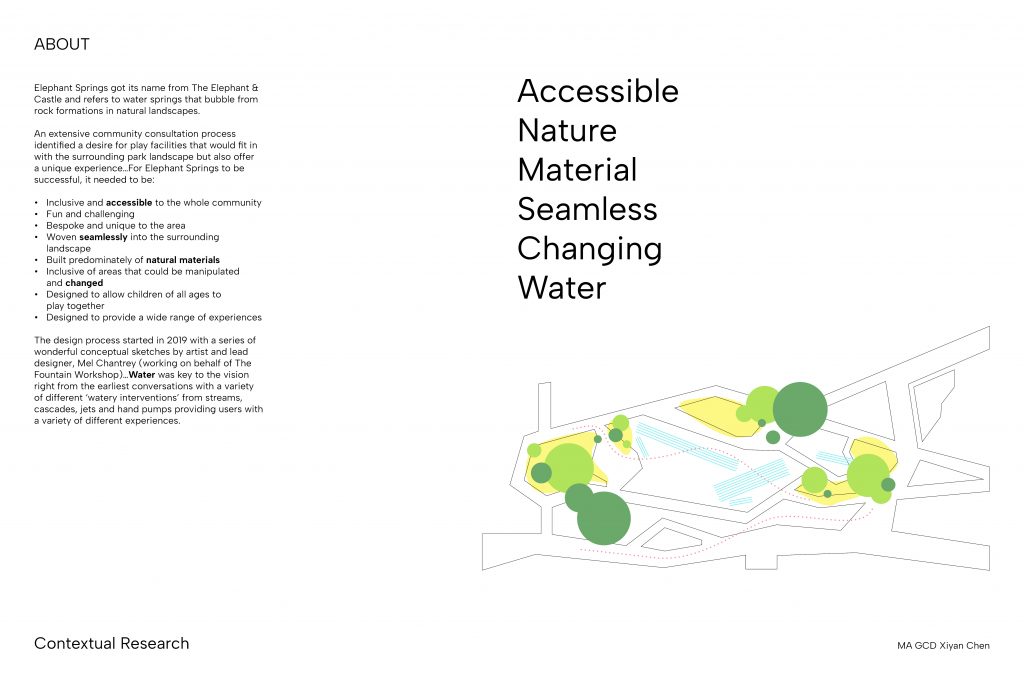
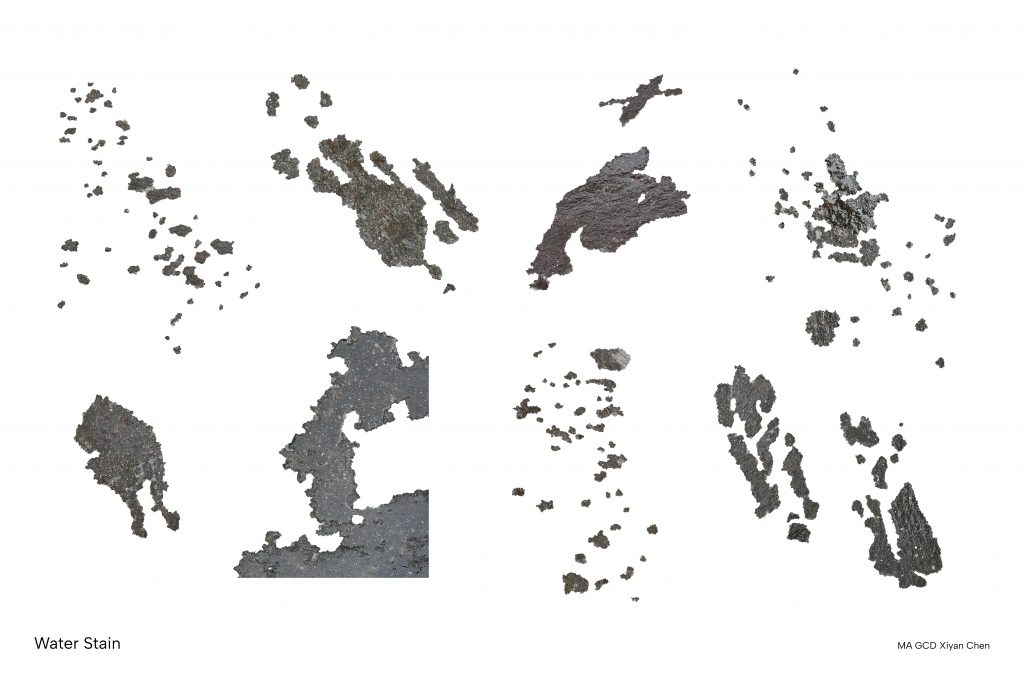
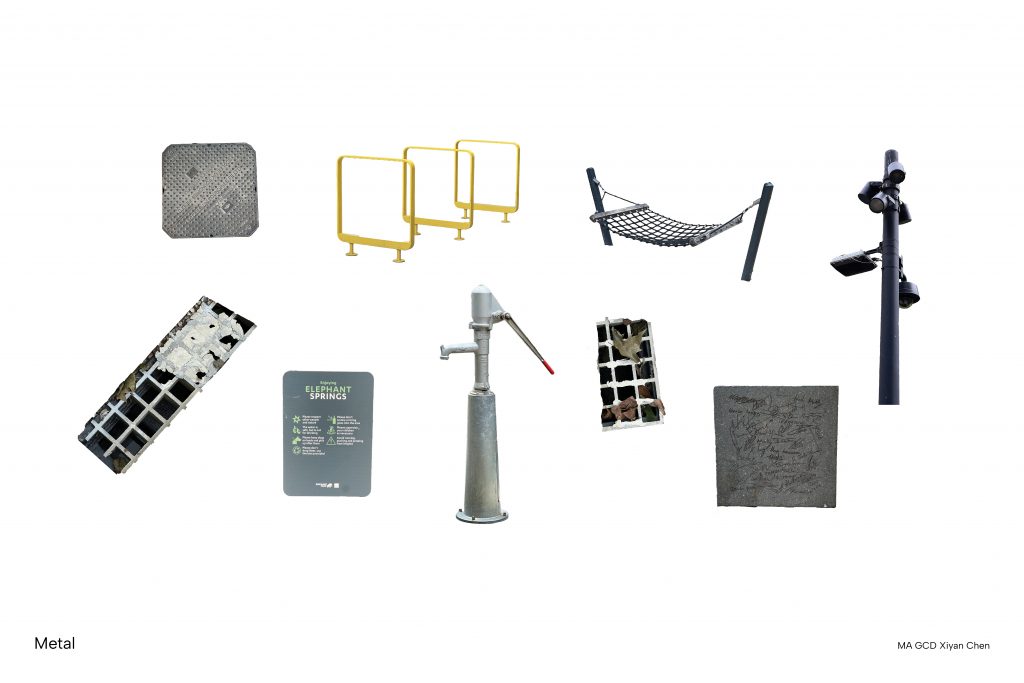
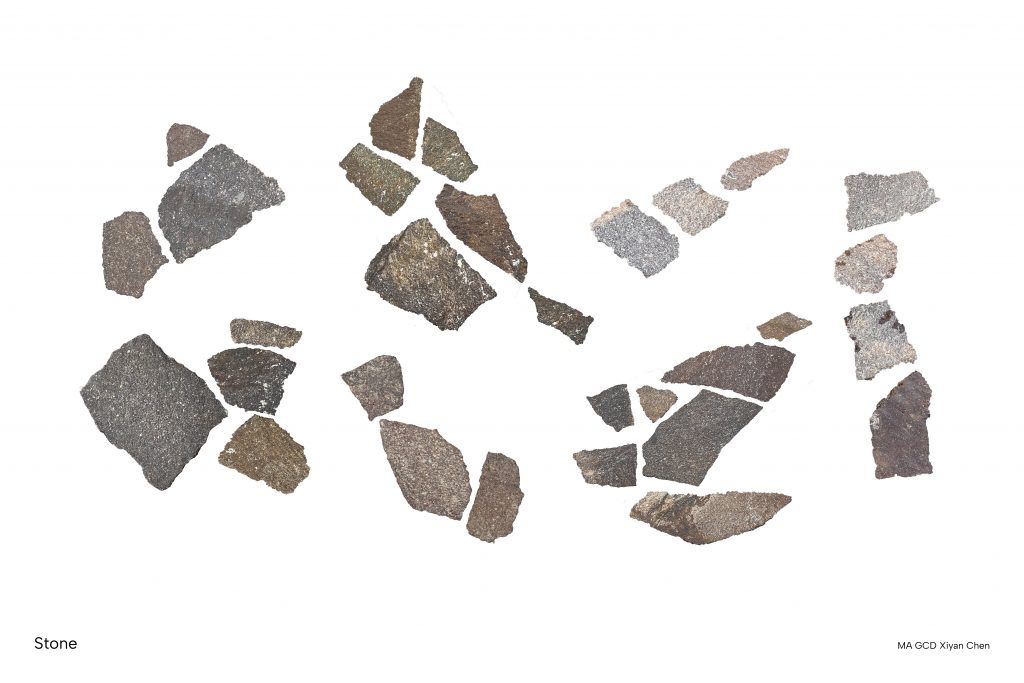
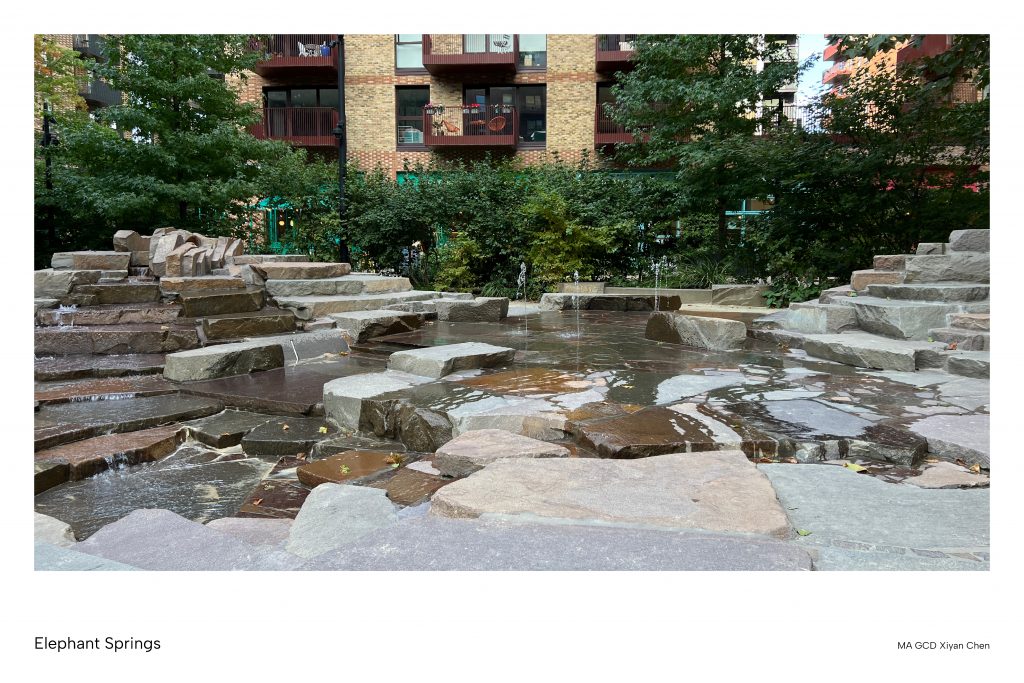
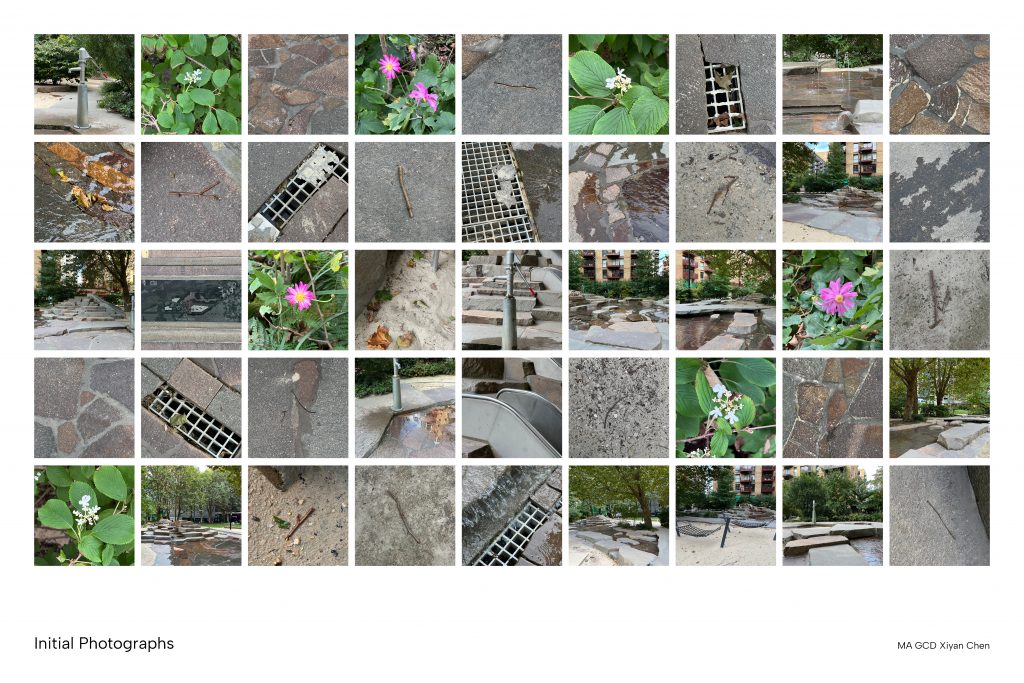
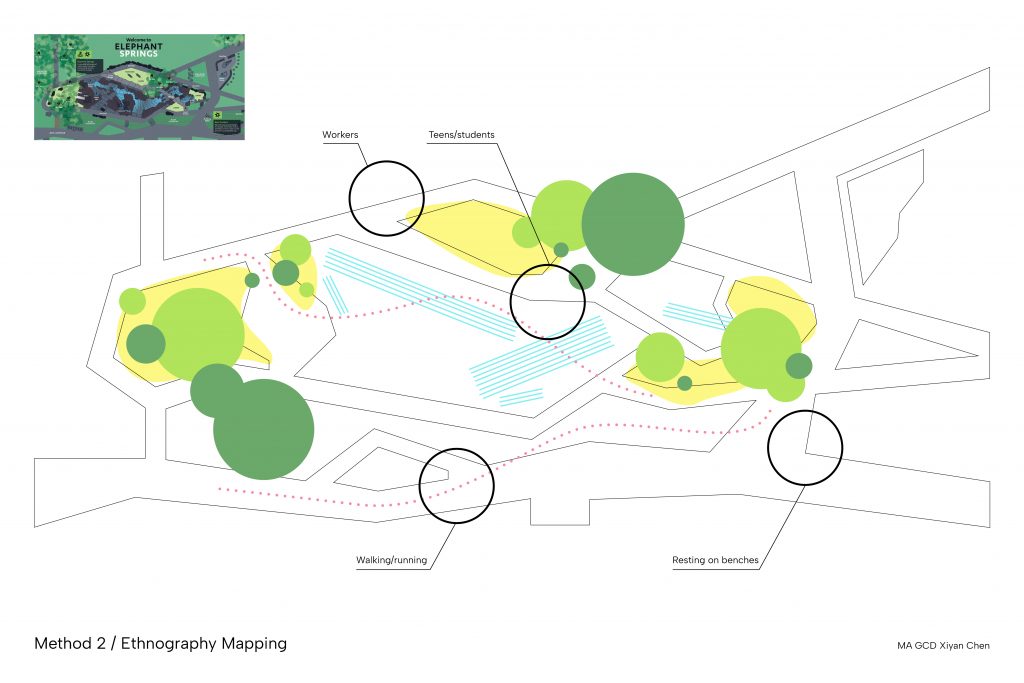
Methods of Investigating Unit required an exploration of different research approaches to investigate a specific space. I chose Elephant Springs as my site of investigation, which is a recreational area in Elephant Park that includes interactive water features such as hand-operated pumps, cascades, and rock channels, surrounded by sand pits, trees and lush planting. The space is located within a busy residential area with high-rise apartments and emerging commercial infrastructures, demonstrating a highly mixed demographic profile.
I referred to Venturi and Scott Brown’s idea to study the expansive megatexture and specific symbols within an existing environment. They argued in Learning from Las Vegas that “spatial relationships are made by symbols more than by forms” (2007, p.13), which can be understood through the various marketing billboards, traffic signs, and monumental landmarks in the Las Vegas Strip. Together, these structures form the megatexture of the commercial landscape. Contrastingly, Elephant Springs functions as a symbol of relief through its lack of commercial intensity and artificial interventions. Although the space remains the product of a curated design project, I noticed extensive use of natural elements to resist growing urbanisation. The park’s greenery and water features function like a massive billboard in the desert, effectively communicating the natural essence of Elephant Springs as a reprieve in the rapidly progressing city.
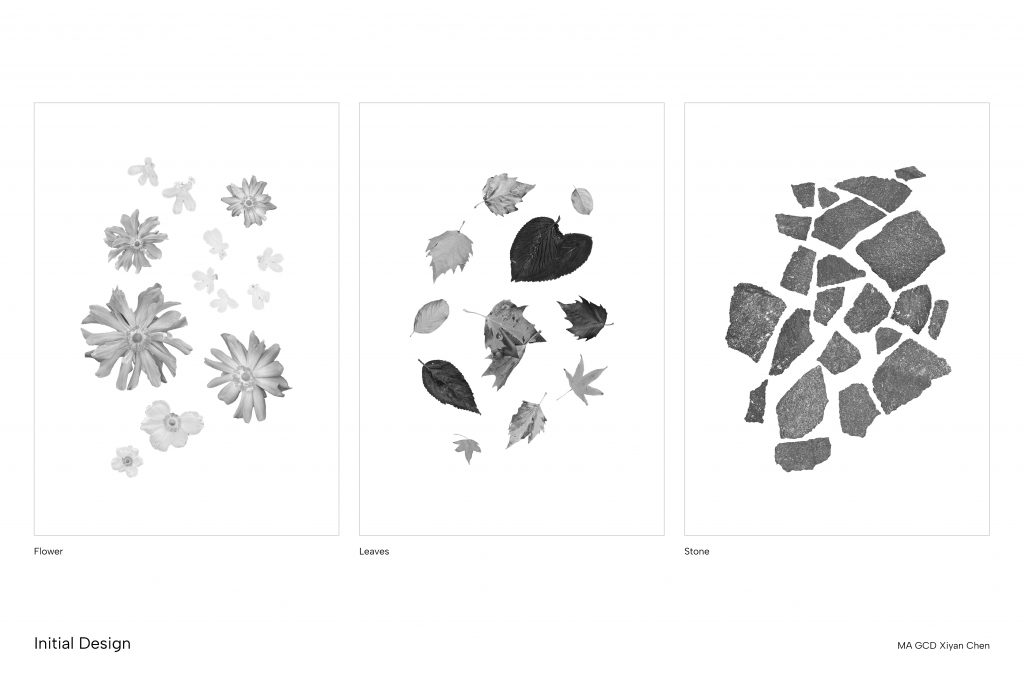
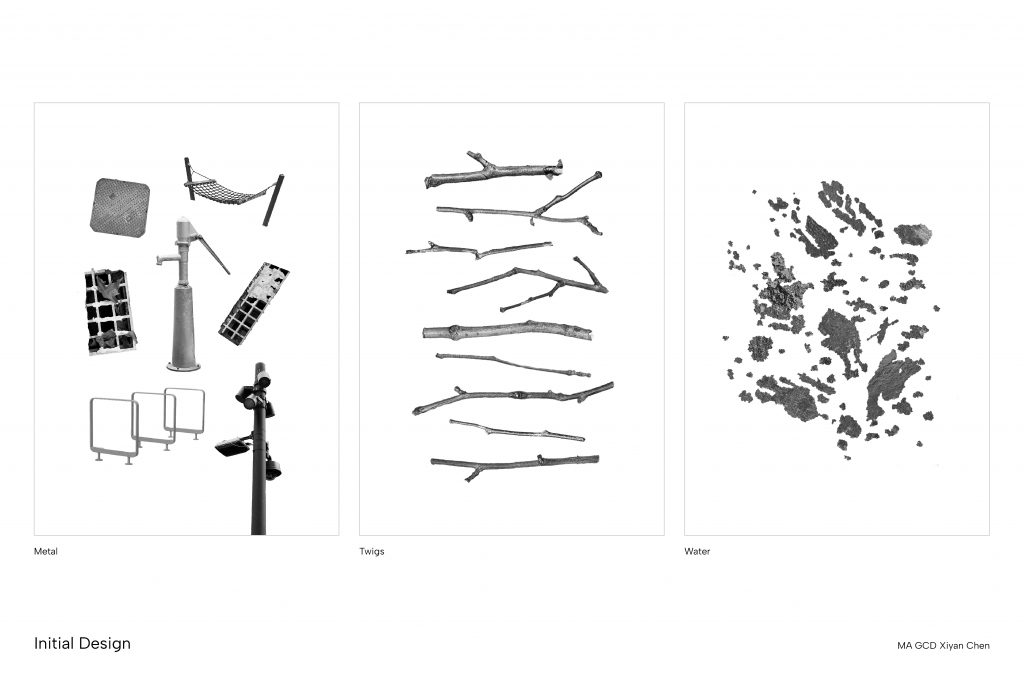
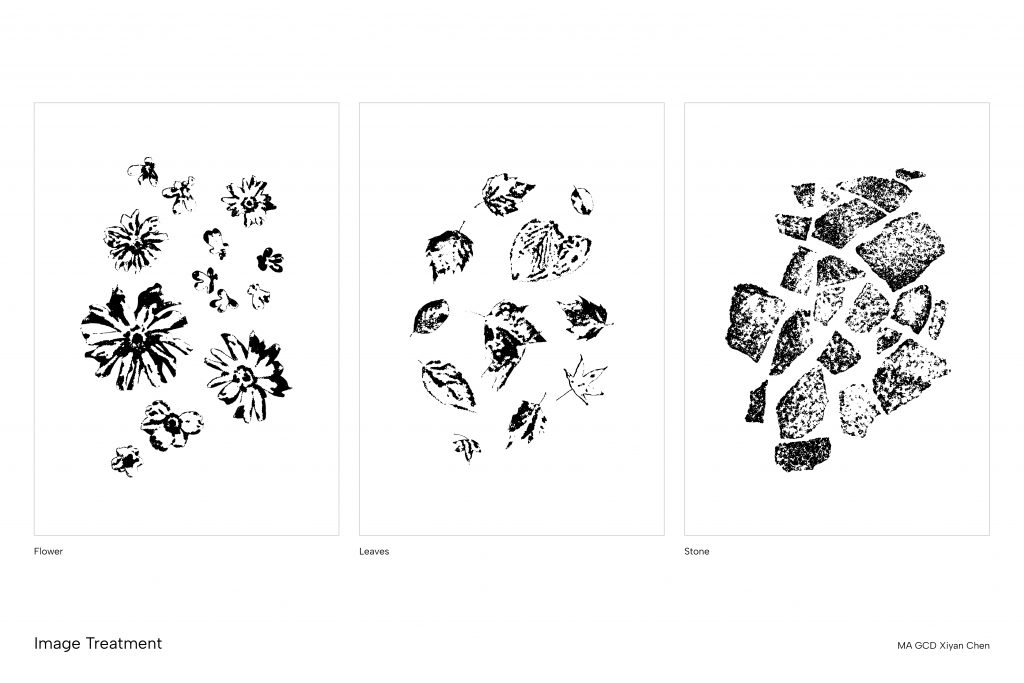
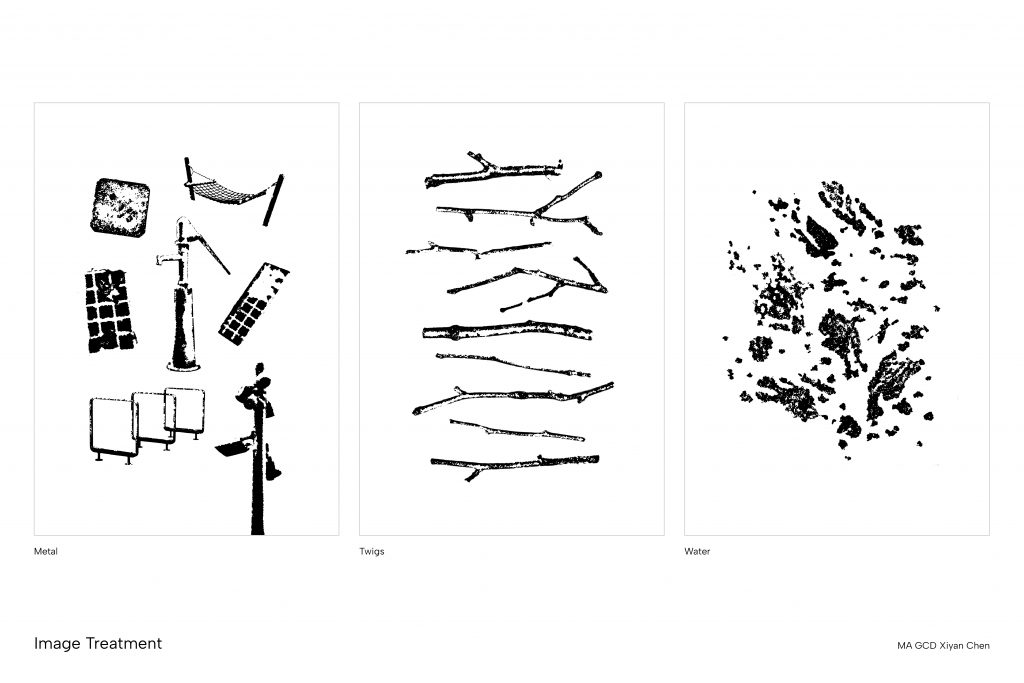
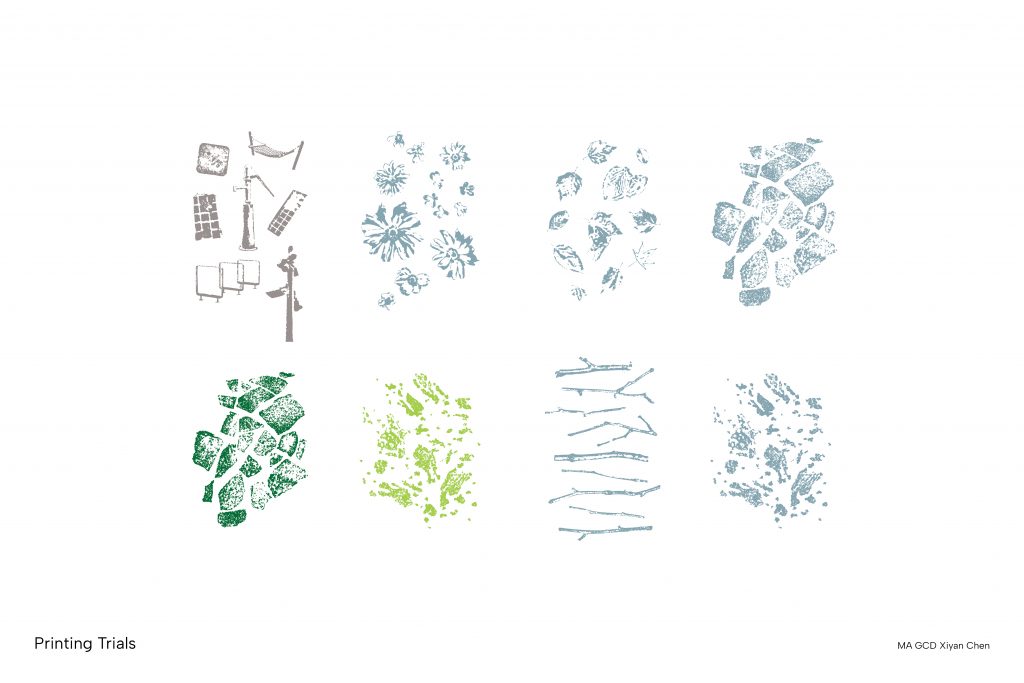
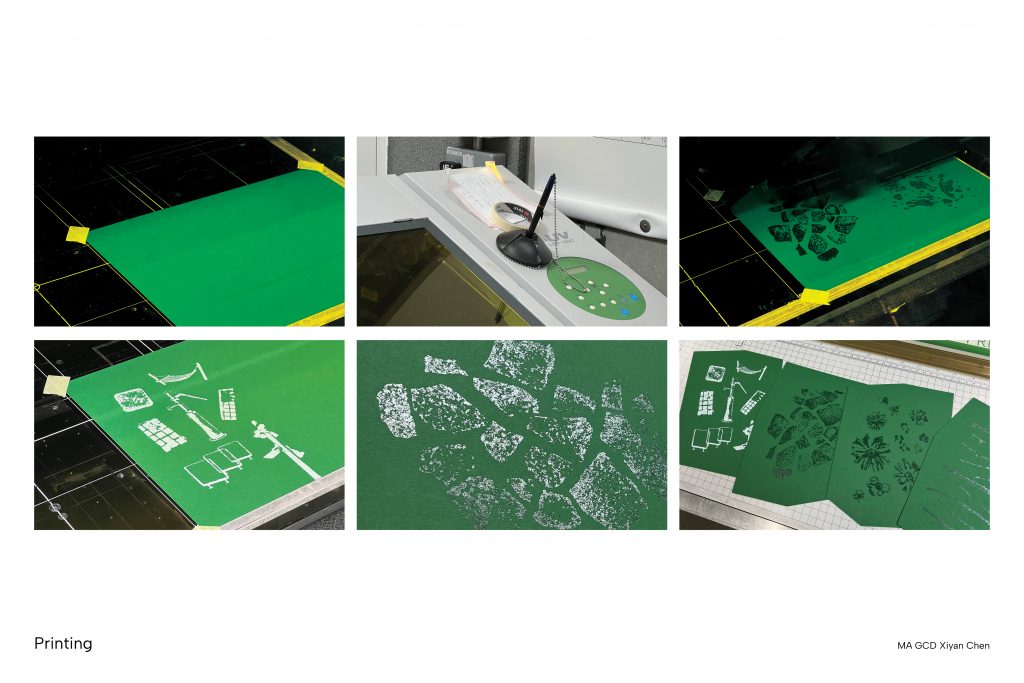
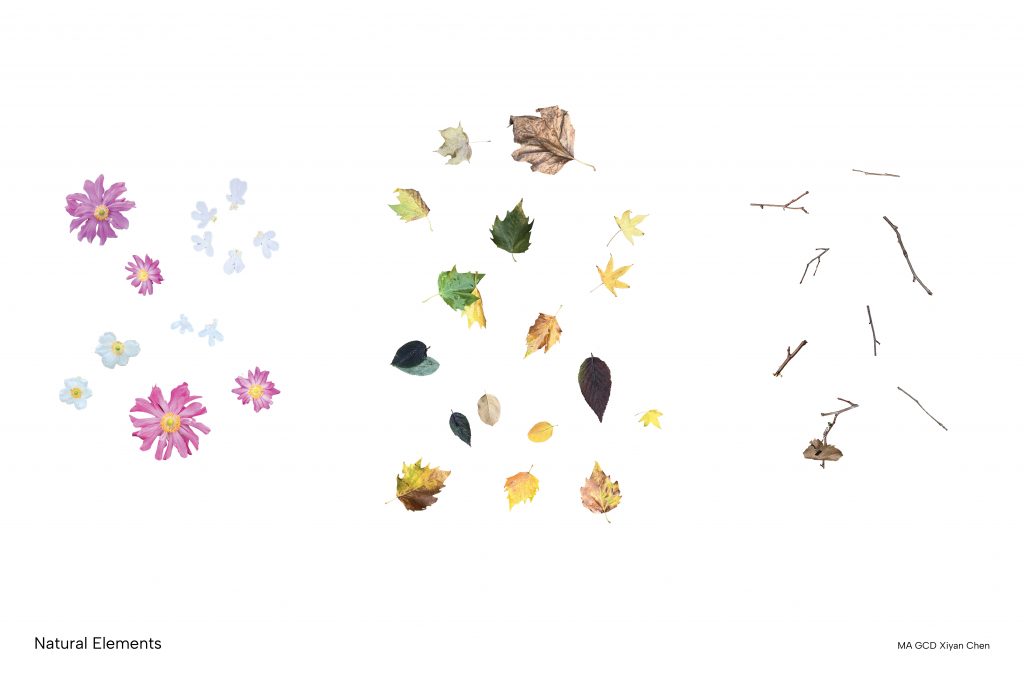
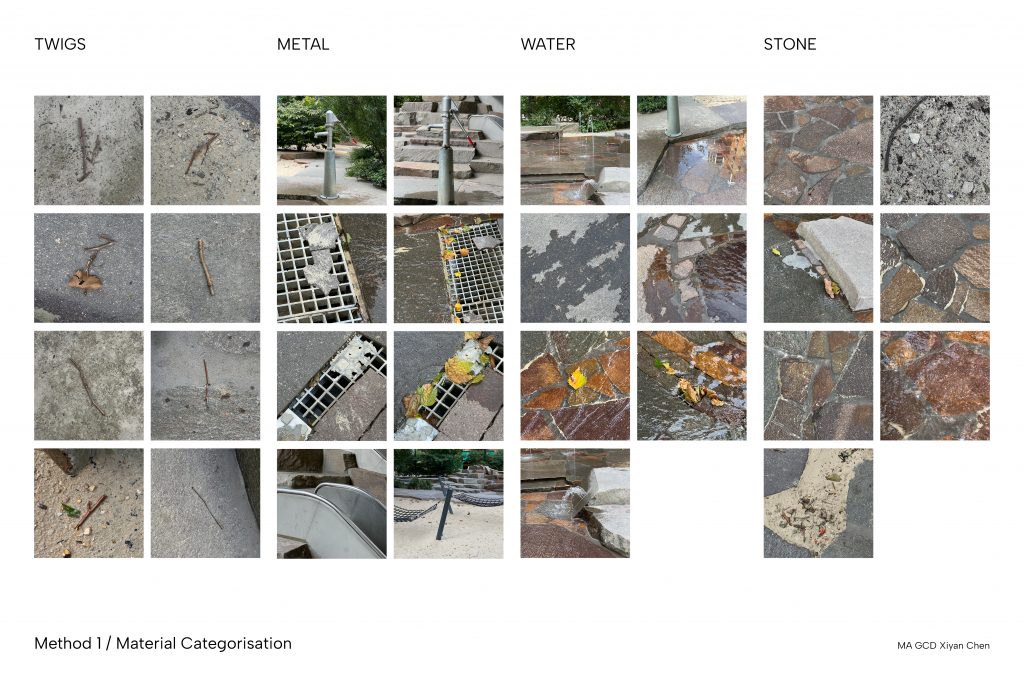
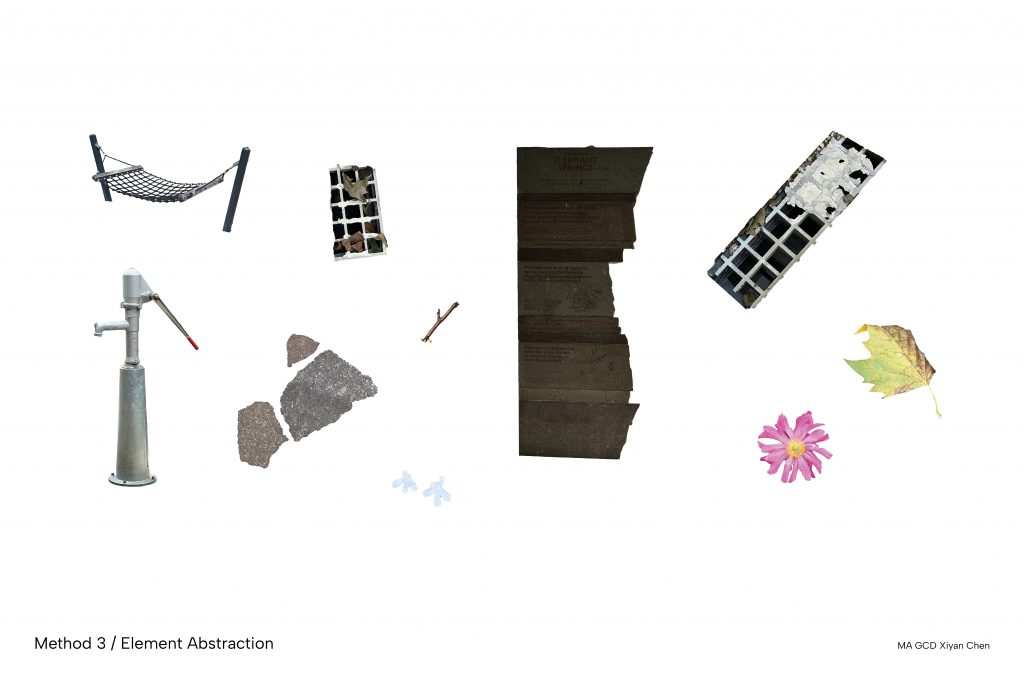
After positioning the role of Elephant Springs within the wider context, I adopted Perec’s methodology to intensely scrutinise the minor details within the space. He suggested documenting “what is of no interest, what is most obvious, most common, most colourless” (1997, p.50). I approached the investigation in this manner and recorded a variety of seemingly redundant items, including fallen leaves, petals and twigs. This method facilitated a way of cataloguing the environment into categories based on its materiality to distinguish between the natural and artificial, thus enabling investigation of the space in fragmented forms. There was also the urge to observe the “invisible” infrastructures in the space. The fountain and sand pit are visible manifestations of an invisible network, which mediates the interaction between people and the space. Its ephemeral state of condition asks the audience to reconsider the value of nature in a modernised concrete jungle.
This investigation of Elephant Springs employed complementary methodologies the understand the space at different scales. Together, these methods highlight Elephant Springs as both a large-scale symbol of resistance to urbanisation and an intimate collection of ephemeral moments that challenge our relationship with nature in the urban neighbourhood.
Bibliography
Elephant Springs – The natural play area in Elephant Park (no date). Available at: https://www.elephantpark.co.uk/natural-play-area/ (Accessed: 7 October 2025).
Perec, G. (1997) ‘The Street’, in Species of Spaces. London: Penguin Books Ltd, pp. 46–56.
Venturi, R. and Scott Brown, D. (2007) Learning from Las Vegas. Routledge.