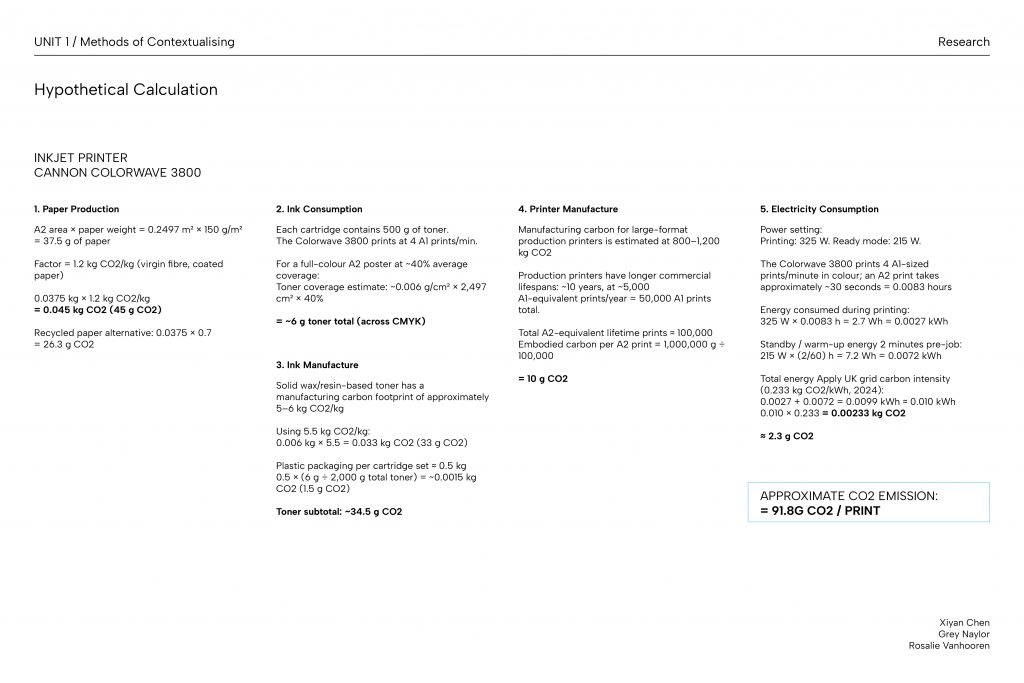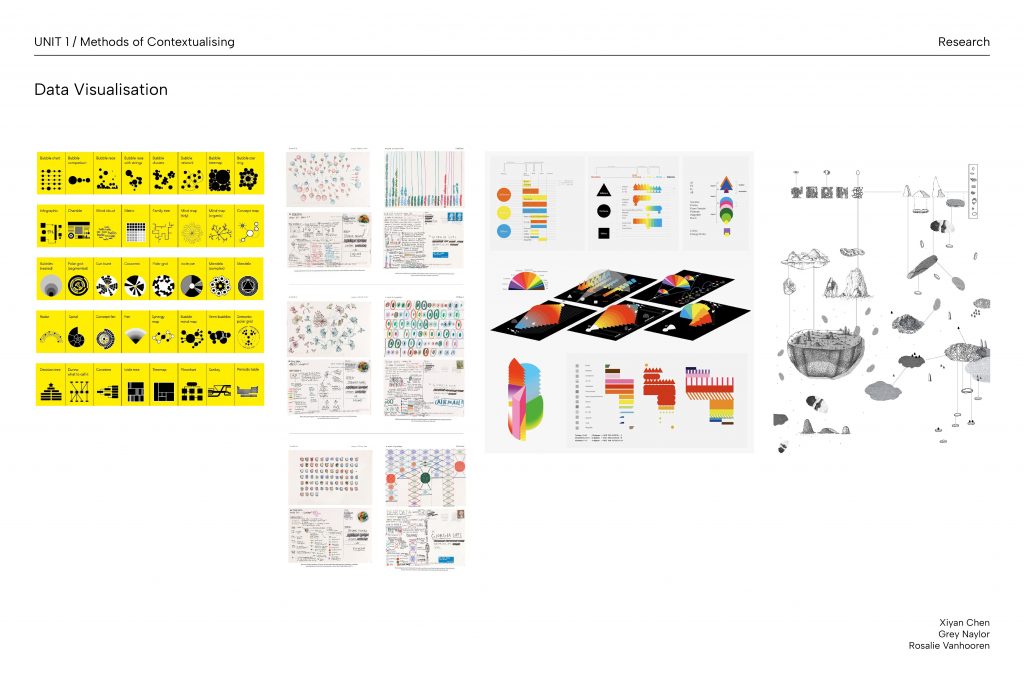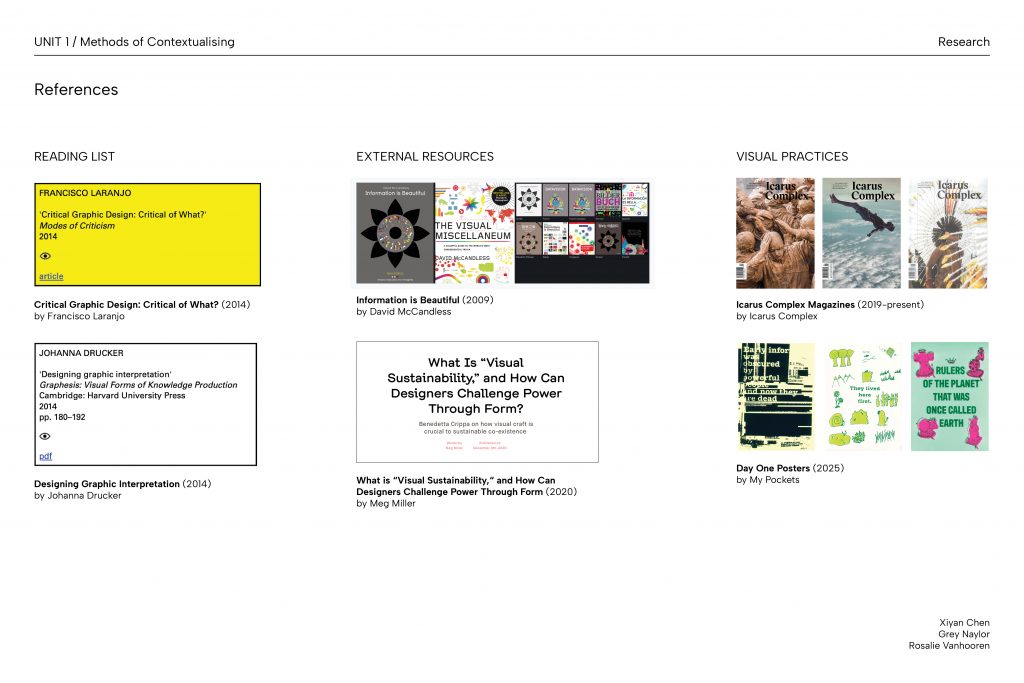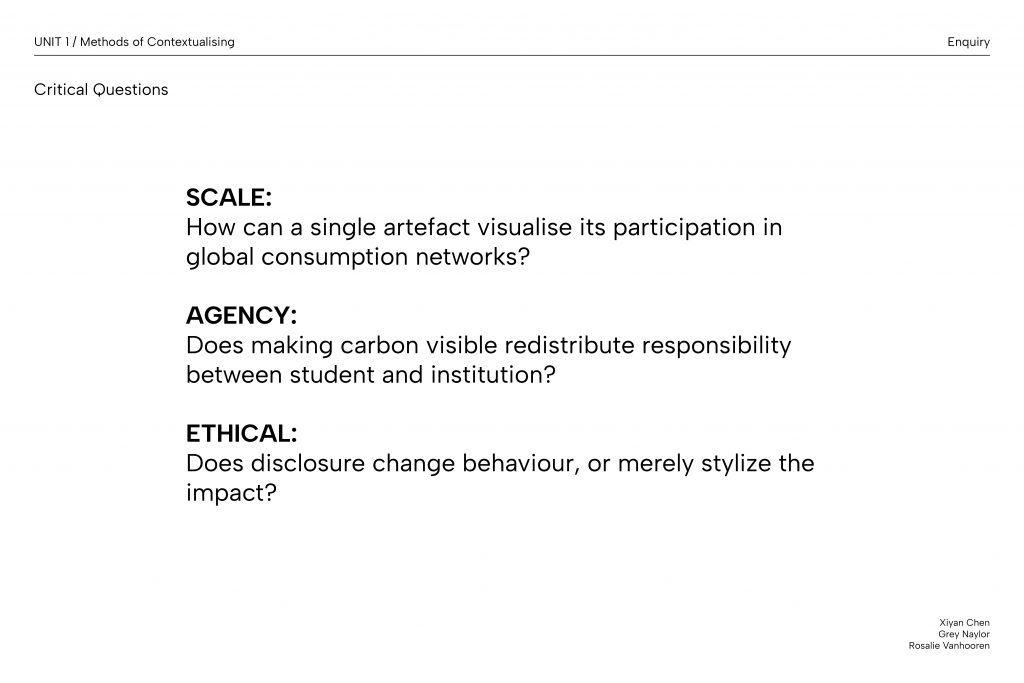
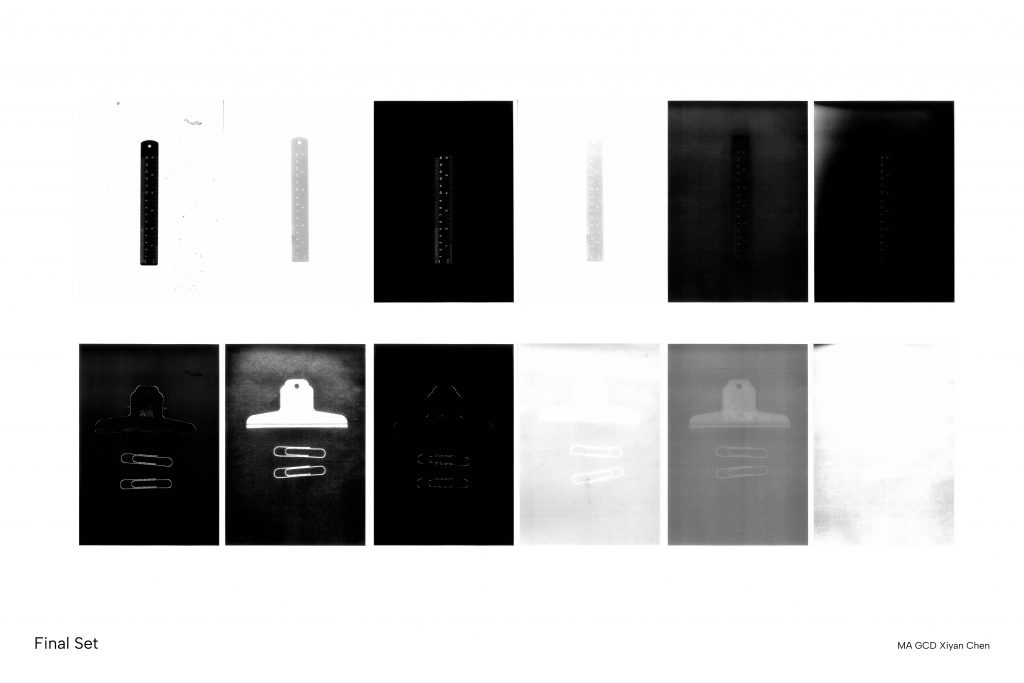
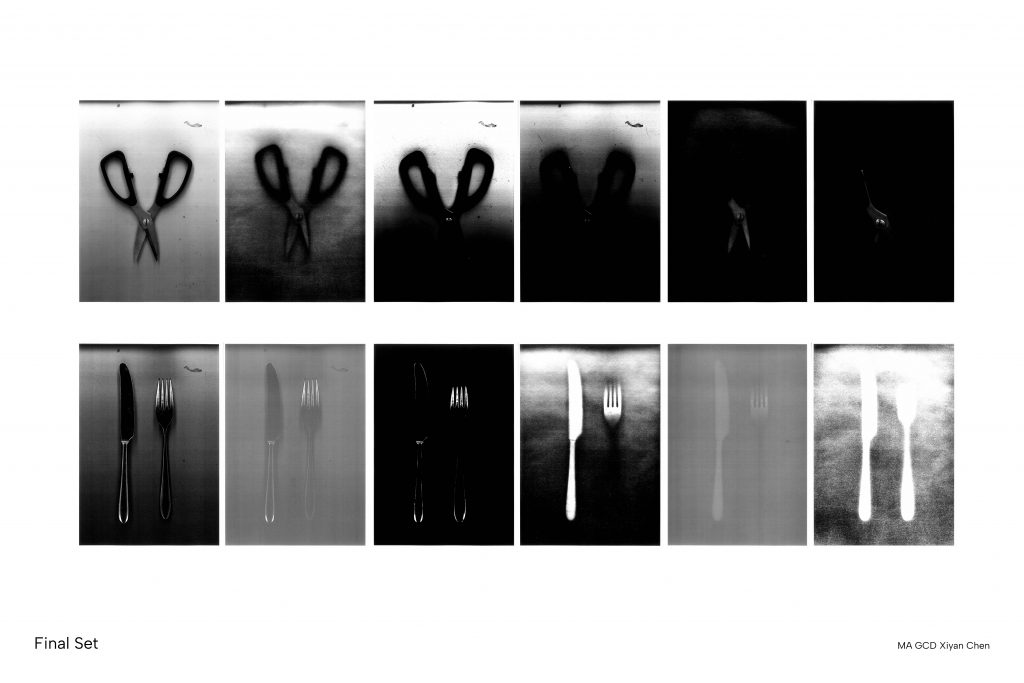
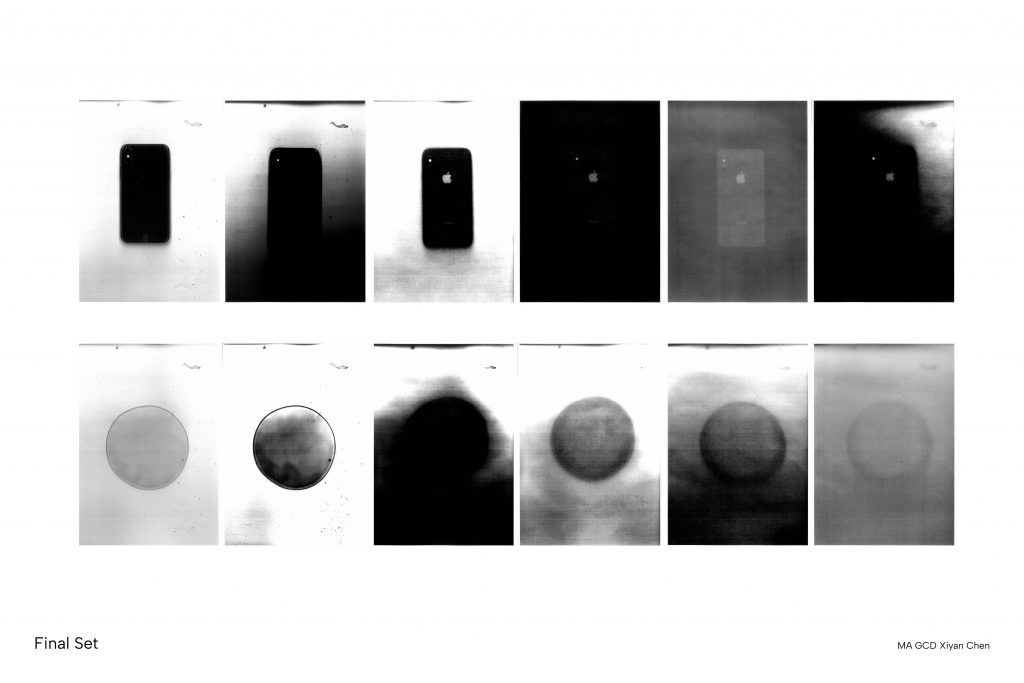
Final Set
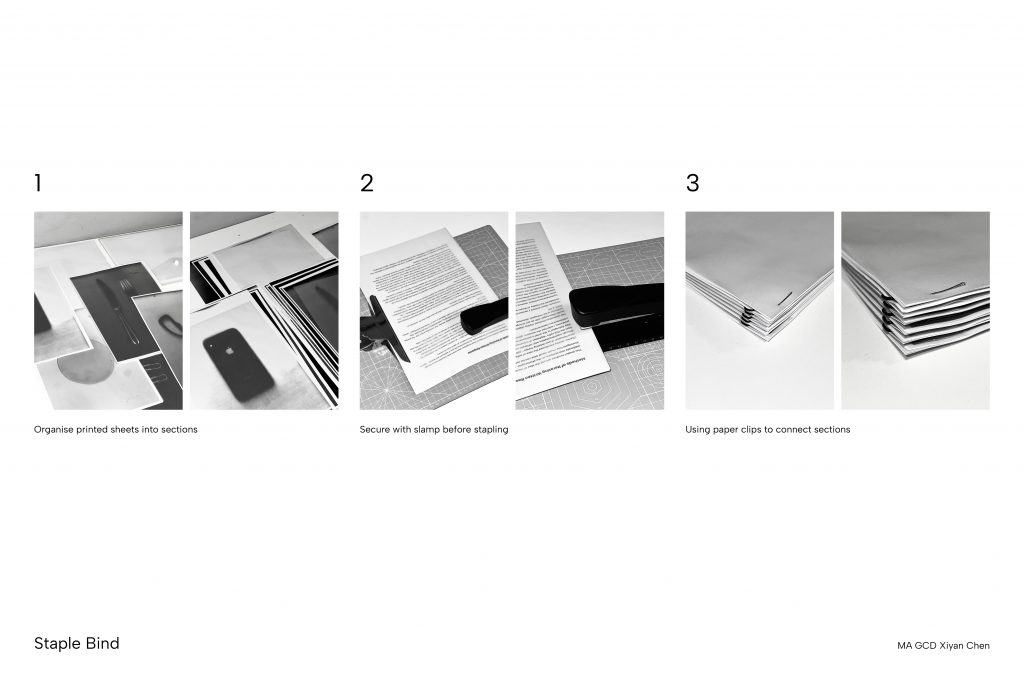
Binding Method
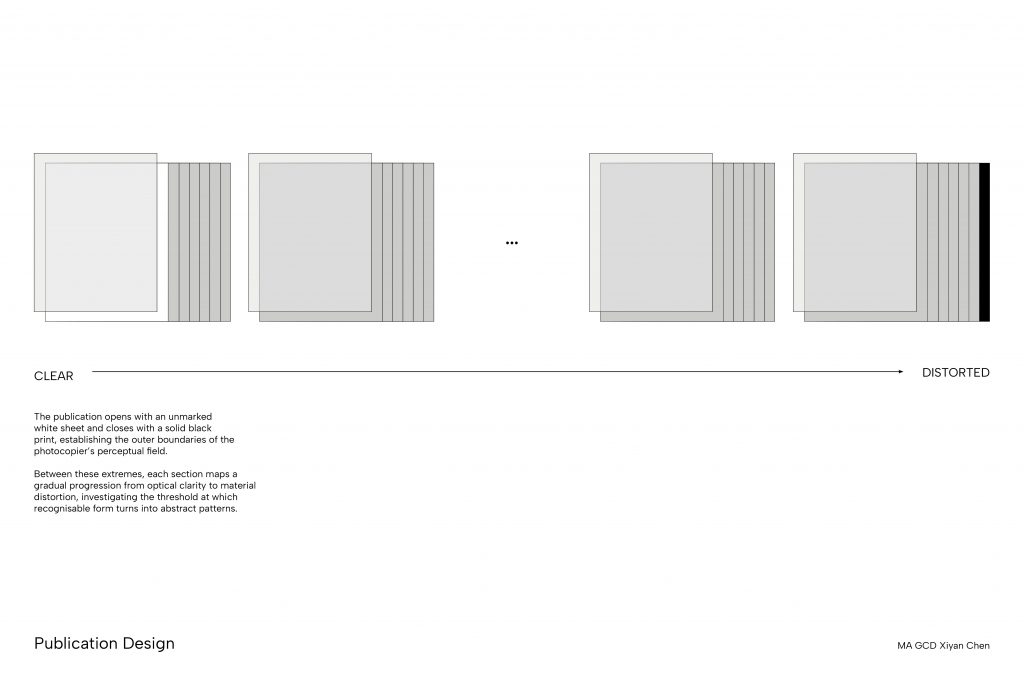
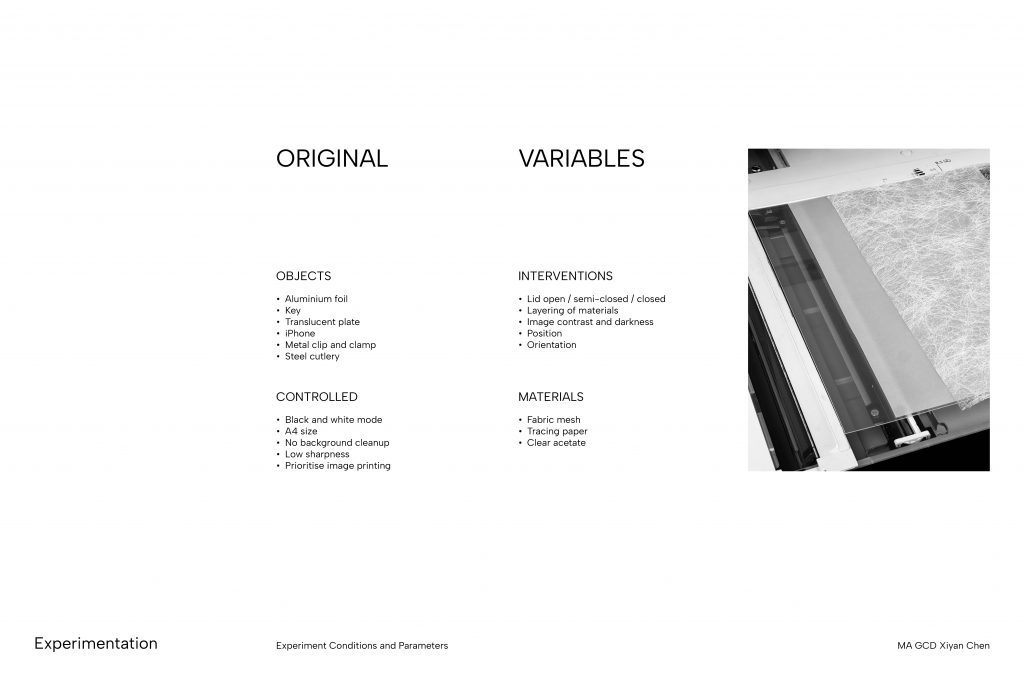
Design Conditions
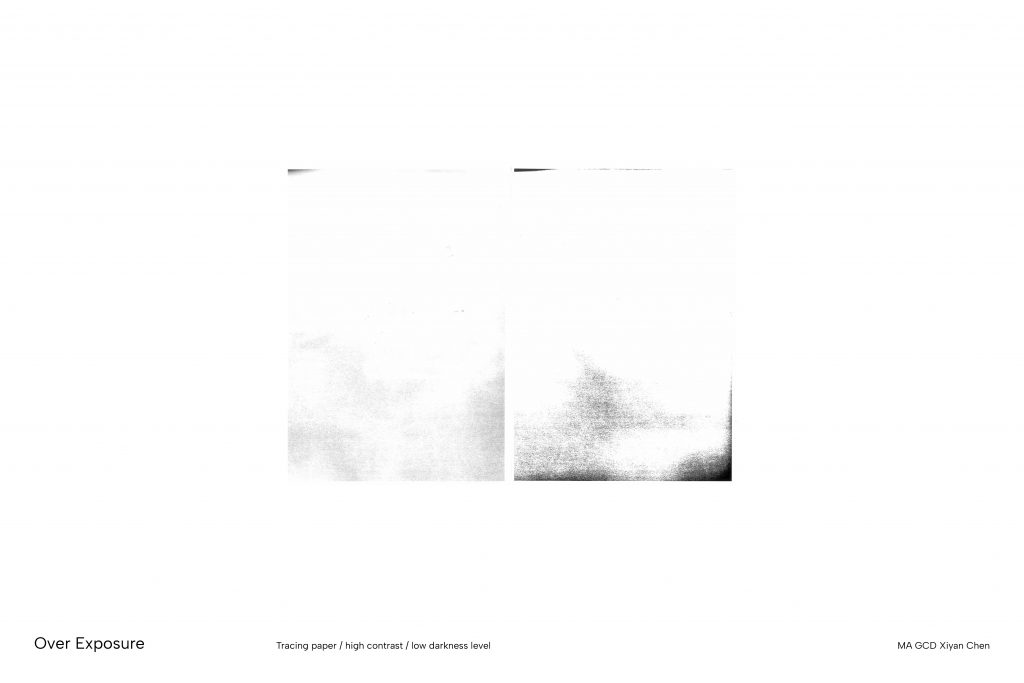
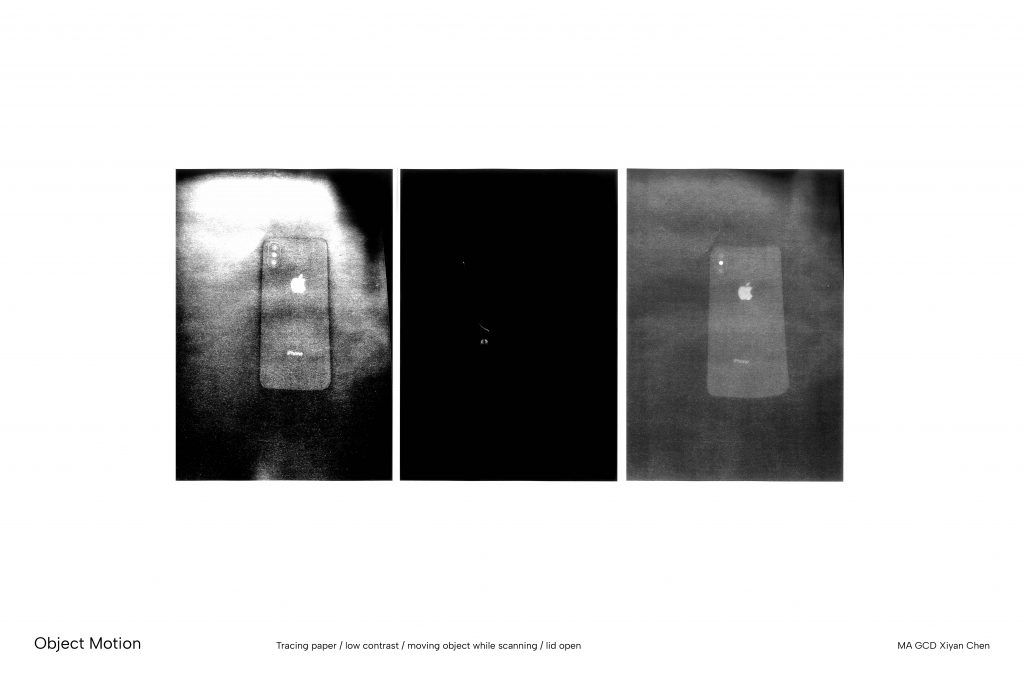
Iterative Outcomes
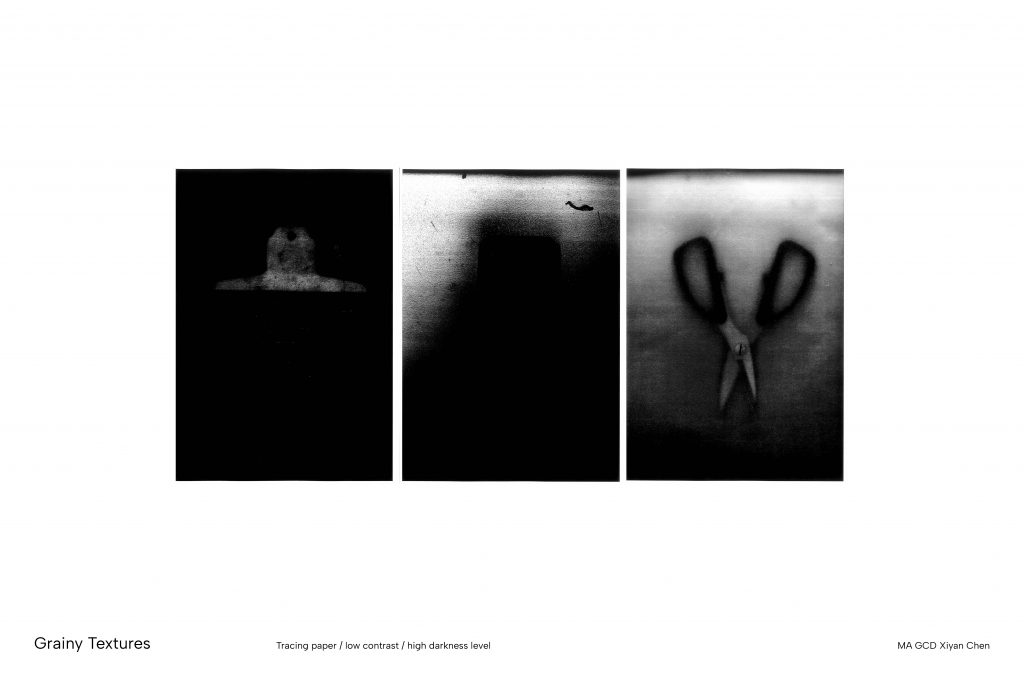

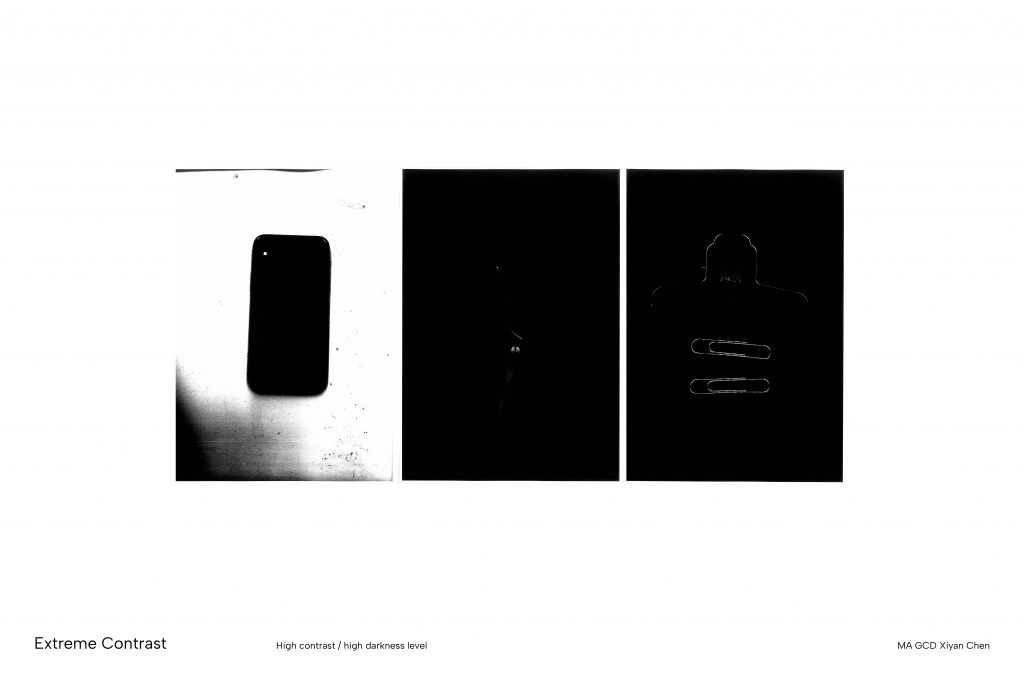
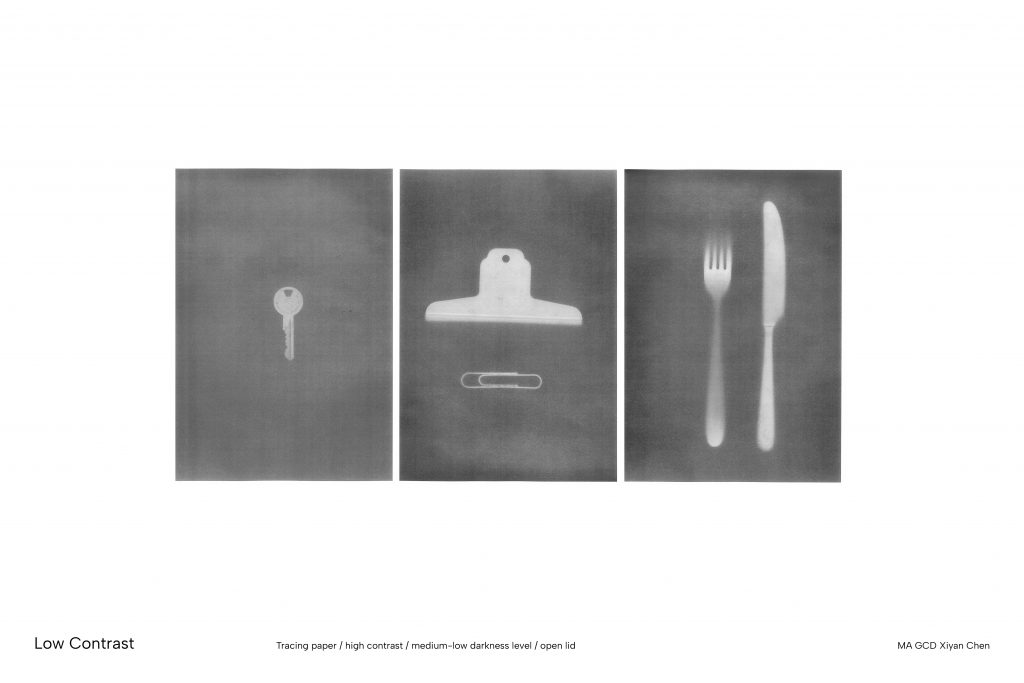
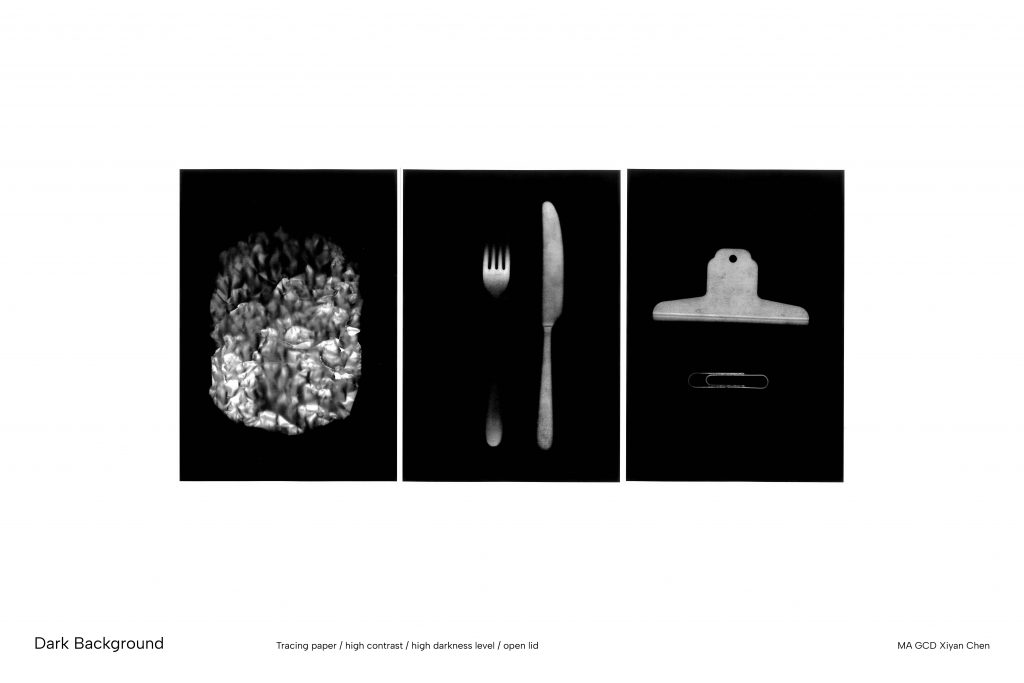
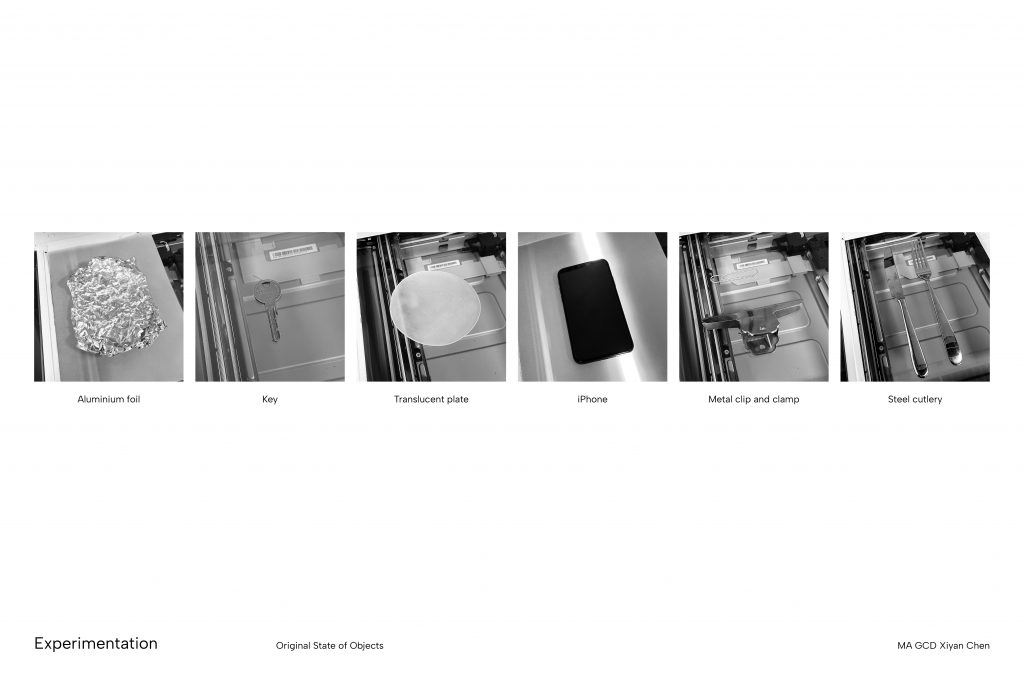
List of objects
Interventions
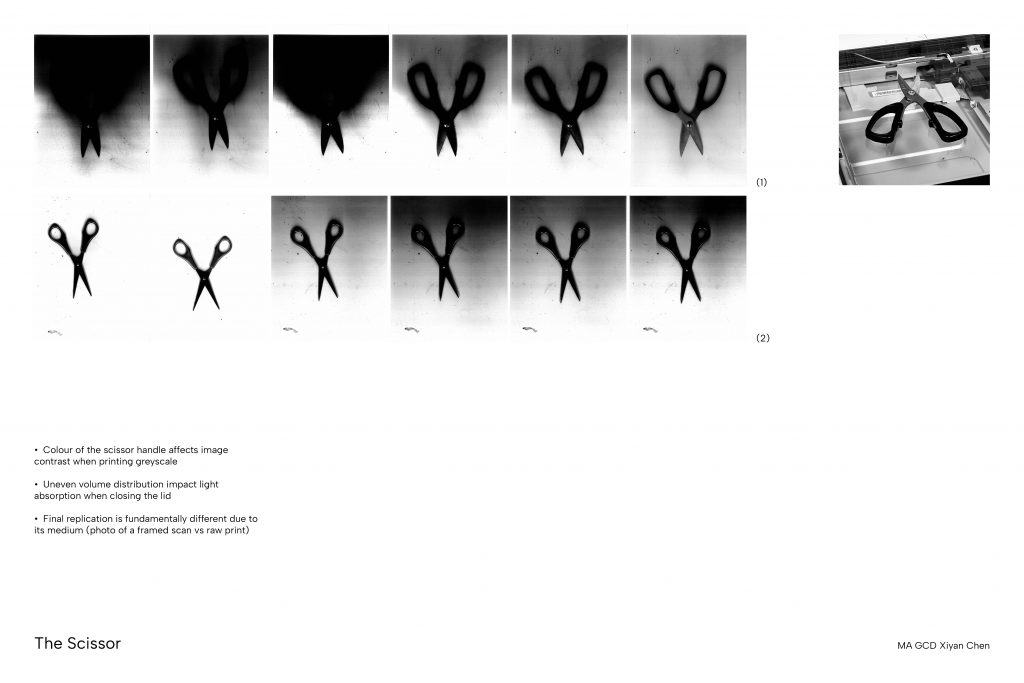
Iteration 1
Iteration 2
Iteration 3
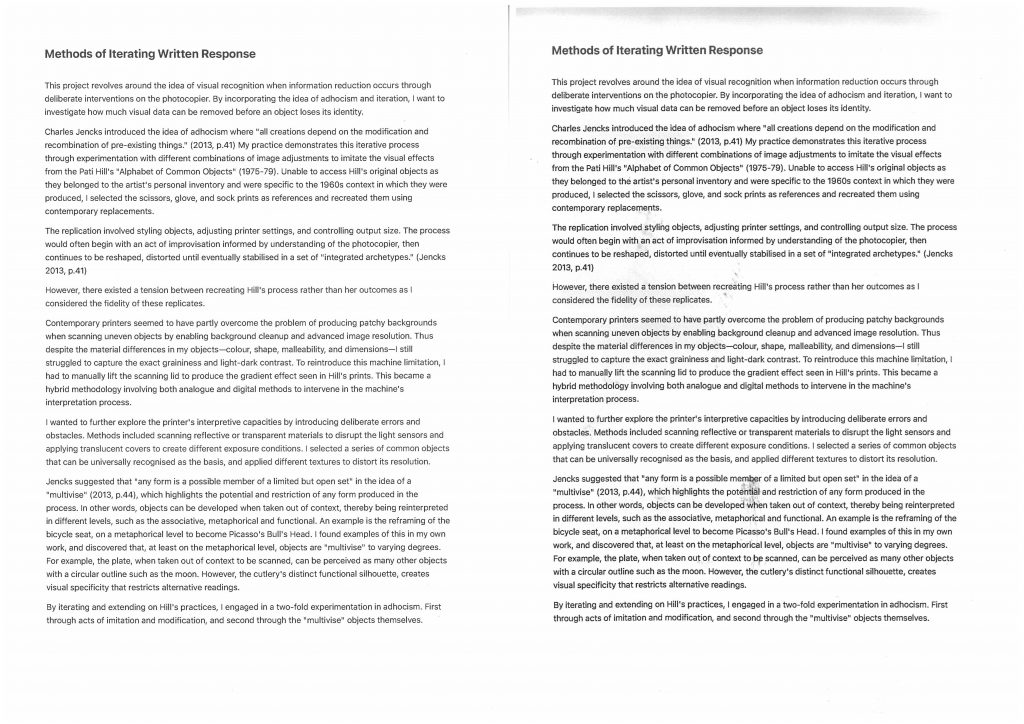
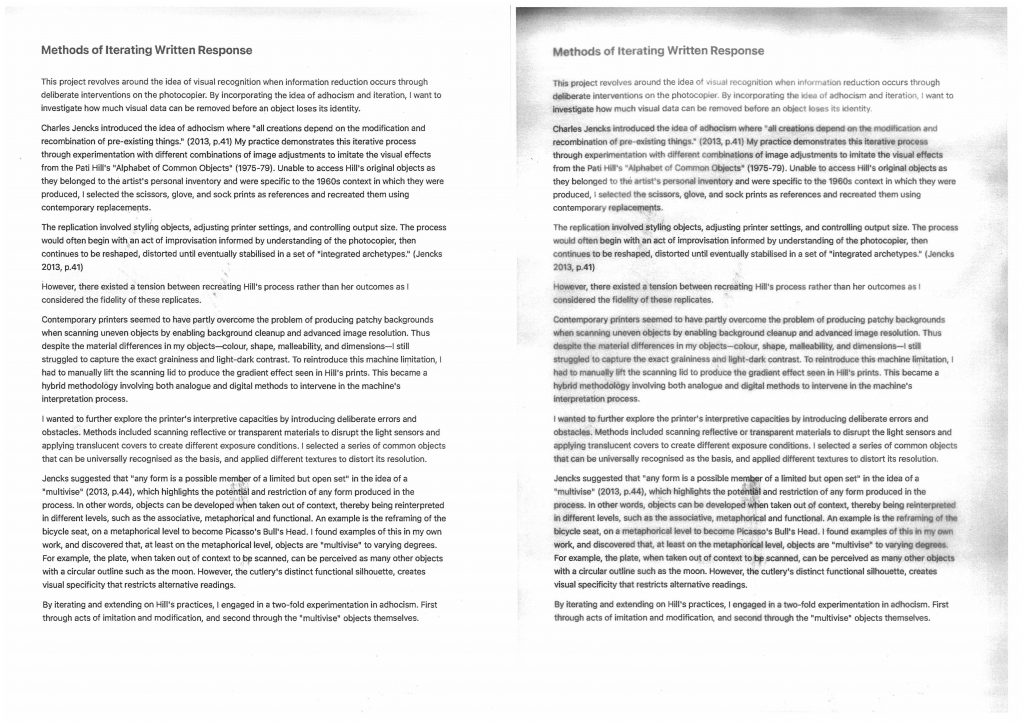
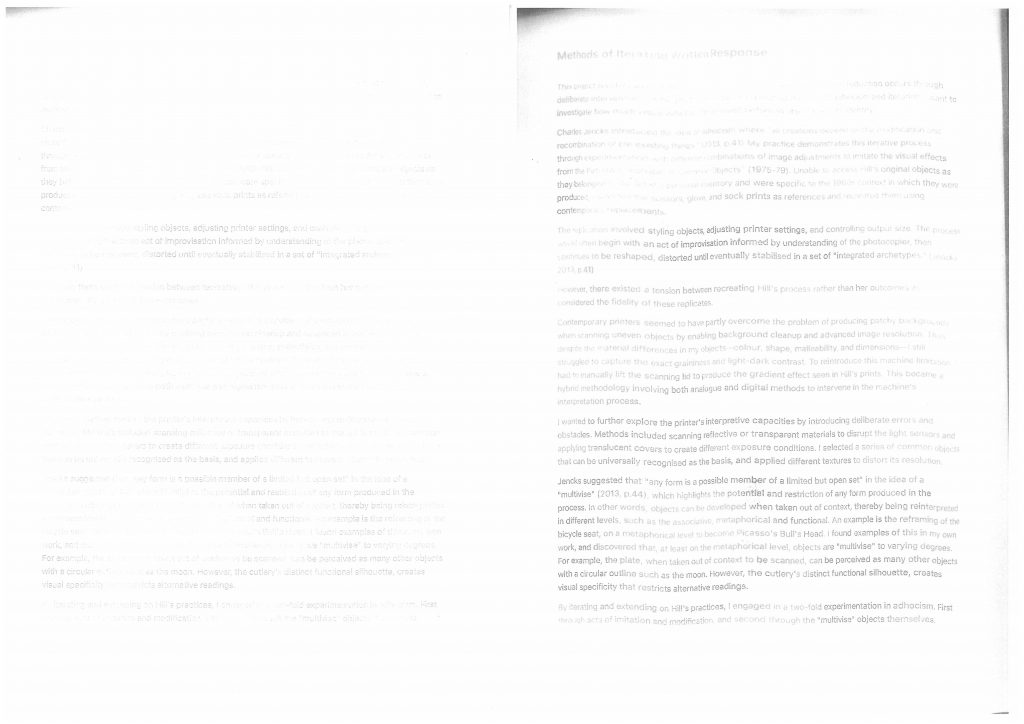
Bibliography
Jencks, C. and Silver, N. (2013) Adhocism: The Case for Improvisation. Cambridge, UNITED STATES: MIT Press. Available at: http://ebookcentral.proquest.com/lib/ual/detail.action?docID=3339626 (Accessed: 24 January 2026).
In this unit of Methods of Translating, I explored Hito Steyerl’s “In Defense of the Poor Image” (2010) through the writing style of Italo Calvino’s “Invisible Cities” (1972), to investigate experimental methods of translation.
Steyerl describes digital images as dynamic entities that move, transform, and circulate across networks (2010). Poor visuals, such as the compressed, damaged photographs and films that circulate constantly on the internet, are more than just technical faults. They are a type of radical communication with political and social implications that go beyond their basic formal aspects (Steyerl 2010, p. 32). This perspective challenges established visual production hierarchies, which formerly regarded high-resolution, museum-quality photos as the pinnacle of artistic and documentary value.
In a parallel way, Calvino’s “Invisible Cities” (1972) depicts metropolitan environments as mental landscapes, with each metropolis serving as a metaphor for human existence. This translation method democratised traditional academic writing, transforming theoretical concepts into narrative explorations. Using Calvino’s method of imaginary cities, I created a landscape where images become living entities, reflecting Steyerl’s notion of the ever-moving “poor image”:
This narrative approach demonstrates how imaginative narrative makes abstract ideas more accessible. The dialogic structure between an archivist and a theorist exploring each city provides a framework for the communication of ideas through colloquial form, while further deconstructing the traditional academic writing structures. It challenges how we communicate in a world where technology and communication methods constantly reshapes our understanding of visual language.
I began to notice that, rather than linear argumentation, texts can create multiple perspectives where each “city” function as a unique lens for understanding digital image circulation. The compression of ideas represents the process information, which loses technical precision while increasing conceptual complexity.
By bringing together media theory and literary experimentation, the text generates a new form of communication. It suggests that understanding complicated concepts involves more than just facts, but also imagination, narrative, and viewpoint in order to duplicate and iterate on current ideas. Communication is fundamentally about movement, transformation, and connection. As poor images gain power through circulation, ideas also gain meaning through creative reimagining.
This translation exercise is an investigation into other forms of theoretical communication. These experimental linguistic structures demonstrate the potential of experimental translation, which breaks down traditional barriers to academic communication and offers new perspectives for understanding complex theoretical topics.
Bibliography
Calvino, I. (1972) Invisible Cities. Orlando: Harcourt Brace & Company.
Steyerl, H. (2012) “In Defense of the Poor Image,” in The Wretched of the Screen. Berlin: Sternberg Press, pp. 31–45.
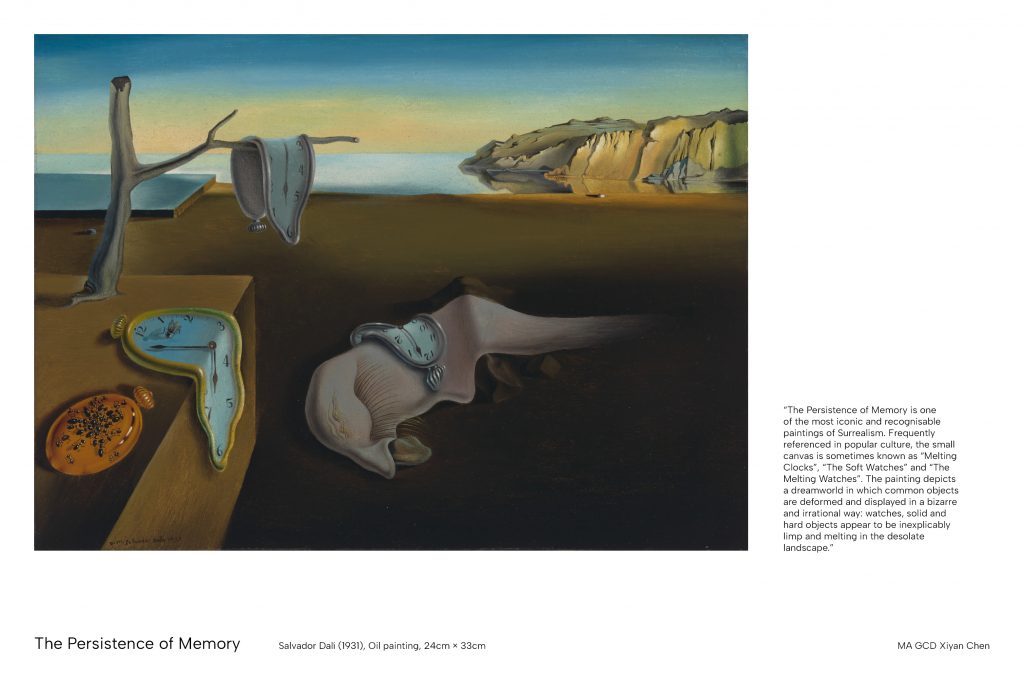
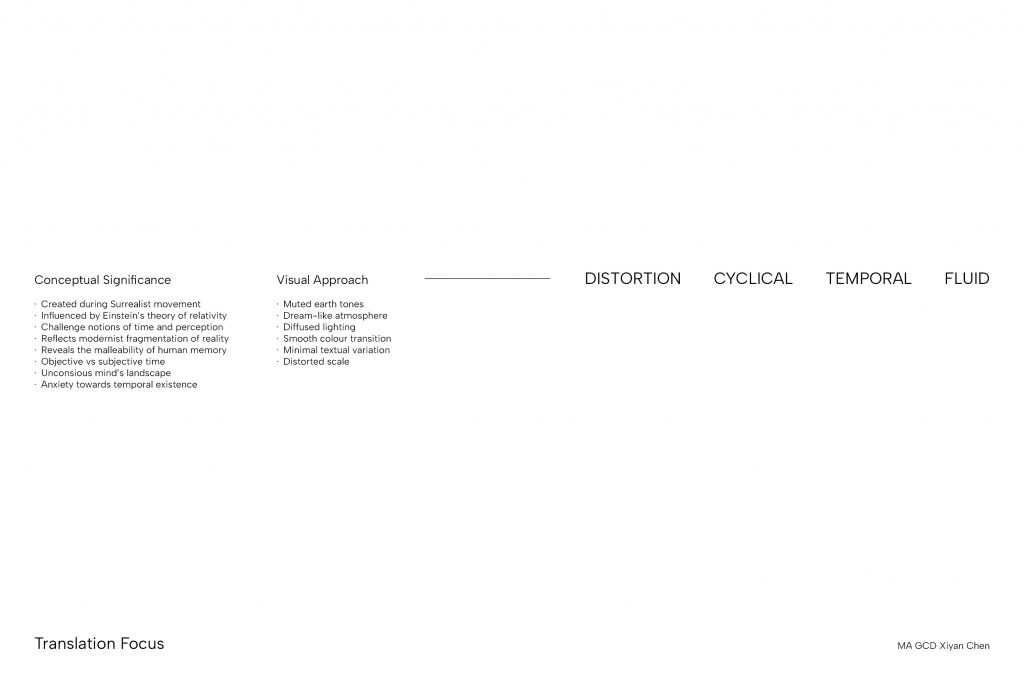
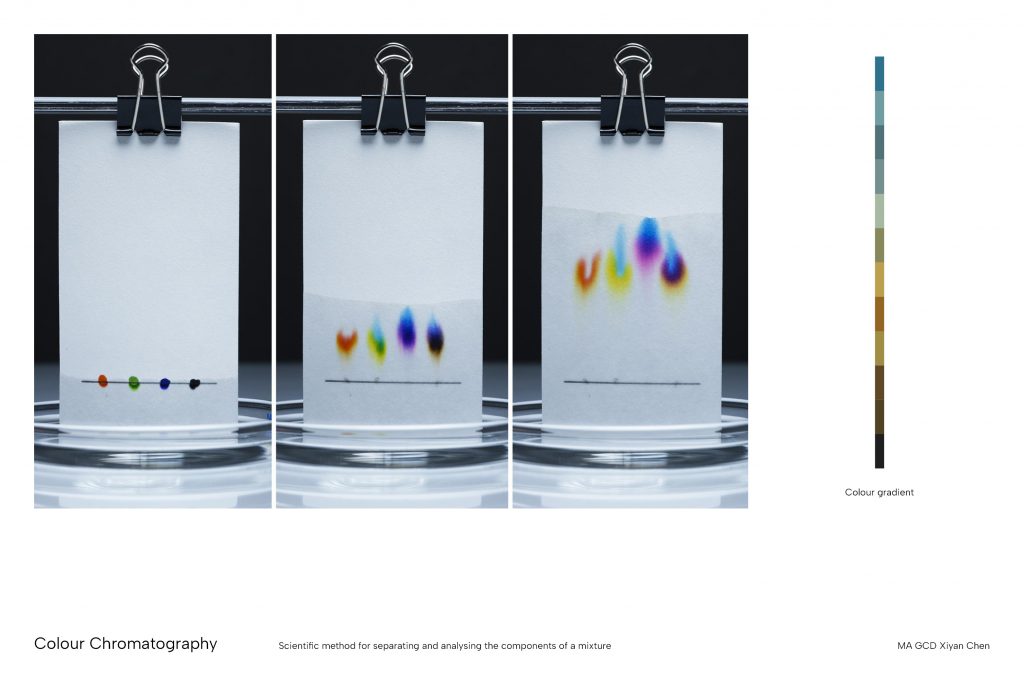
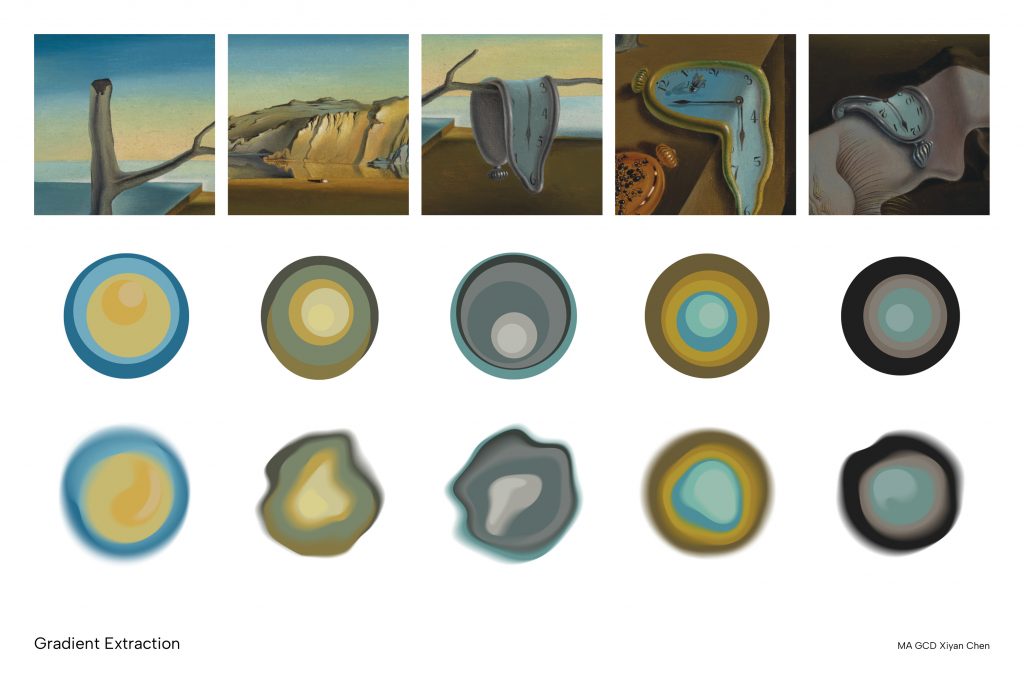
Design Concepts
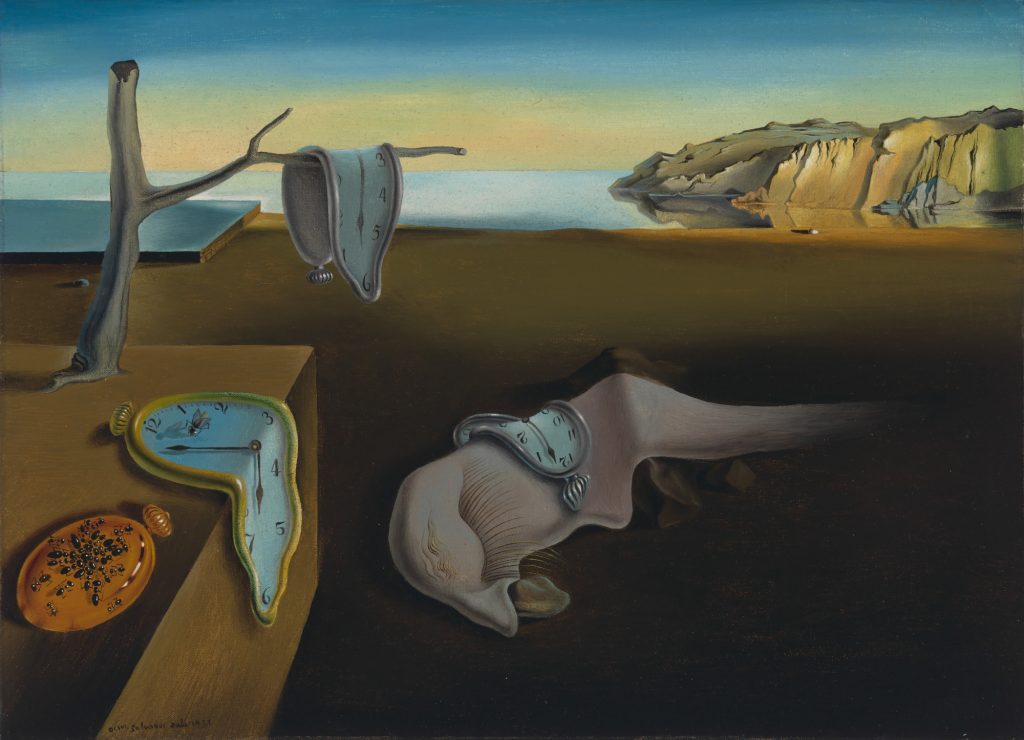
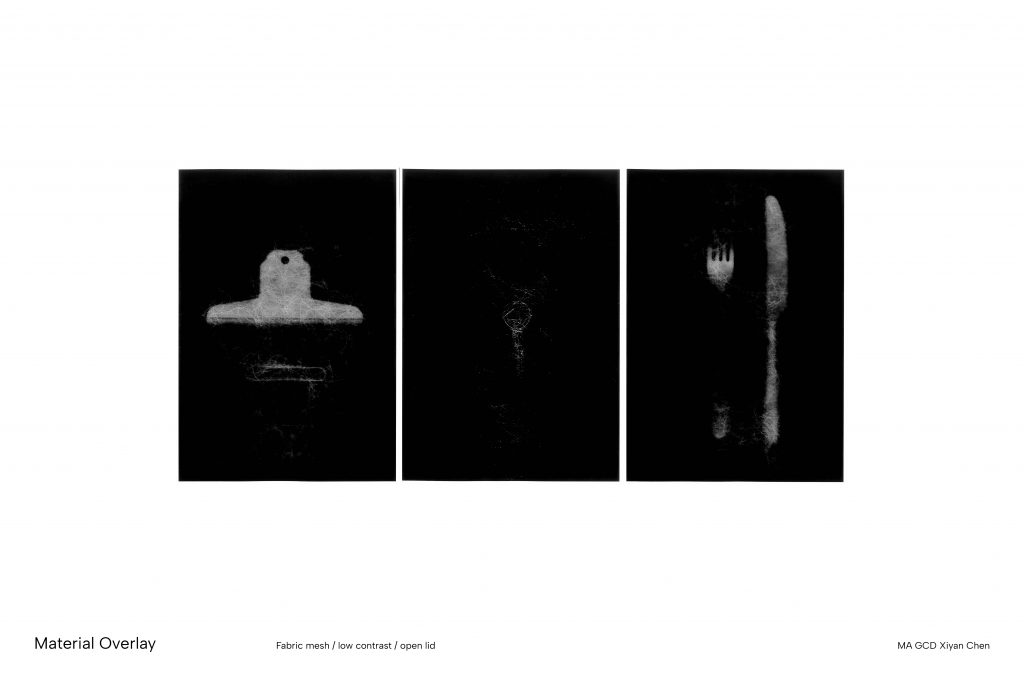
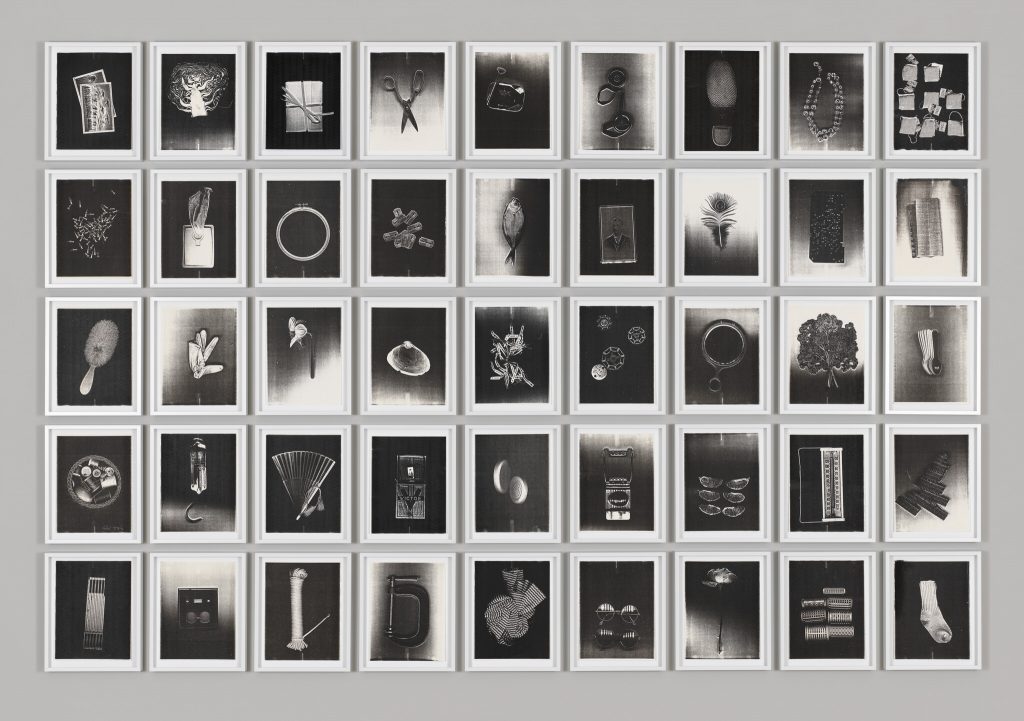
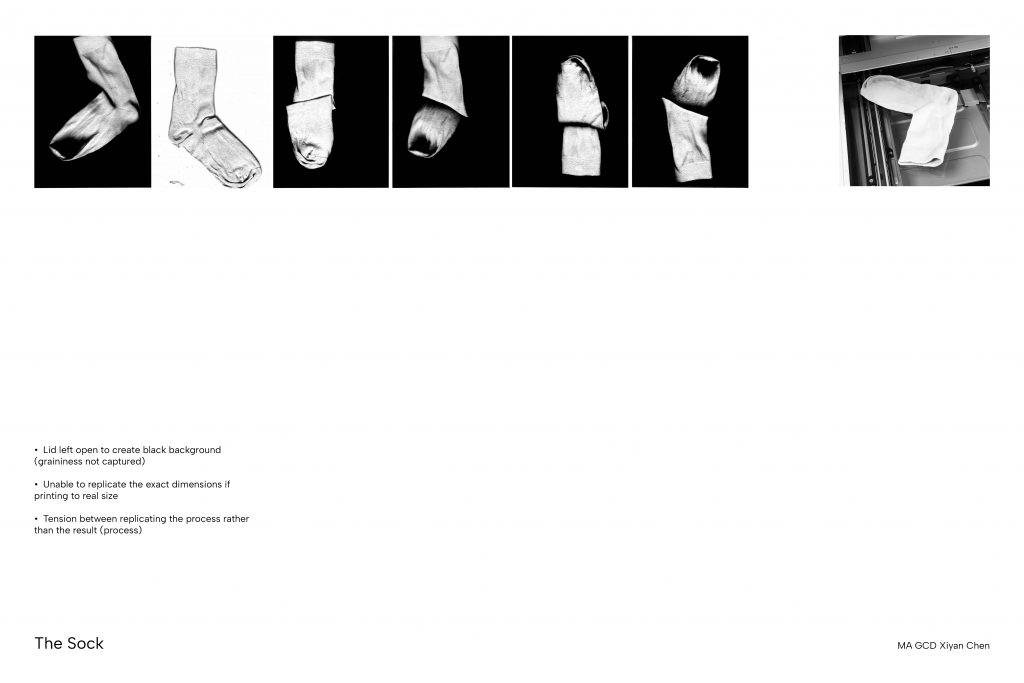
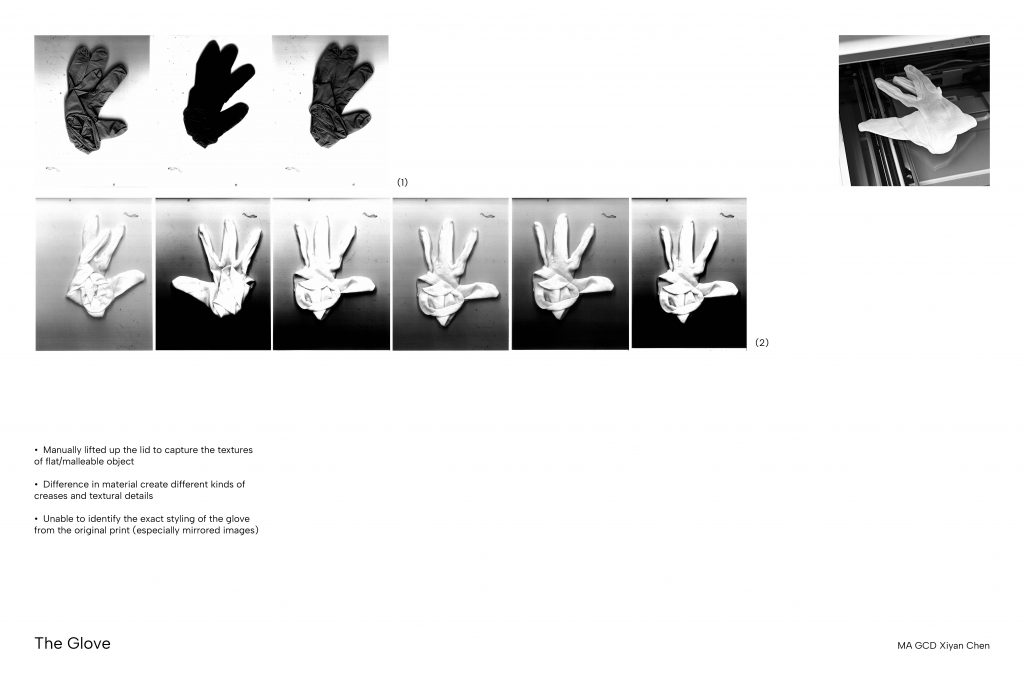
How to Translate an Artwork?
Artwork Analysis
Methods of Translation
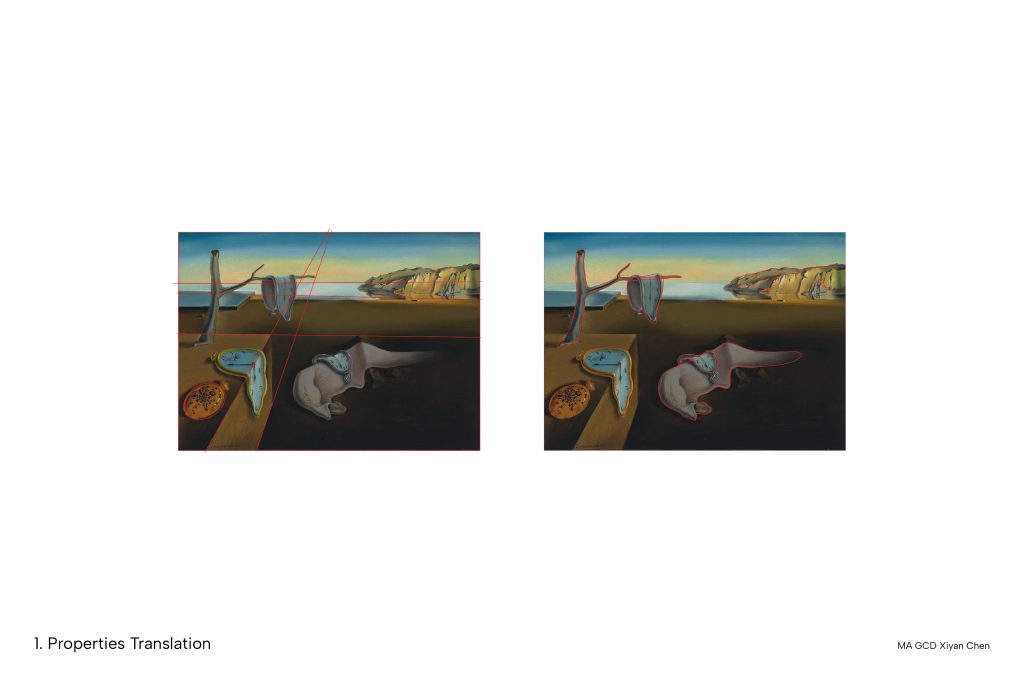
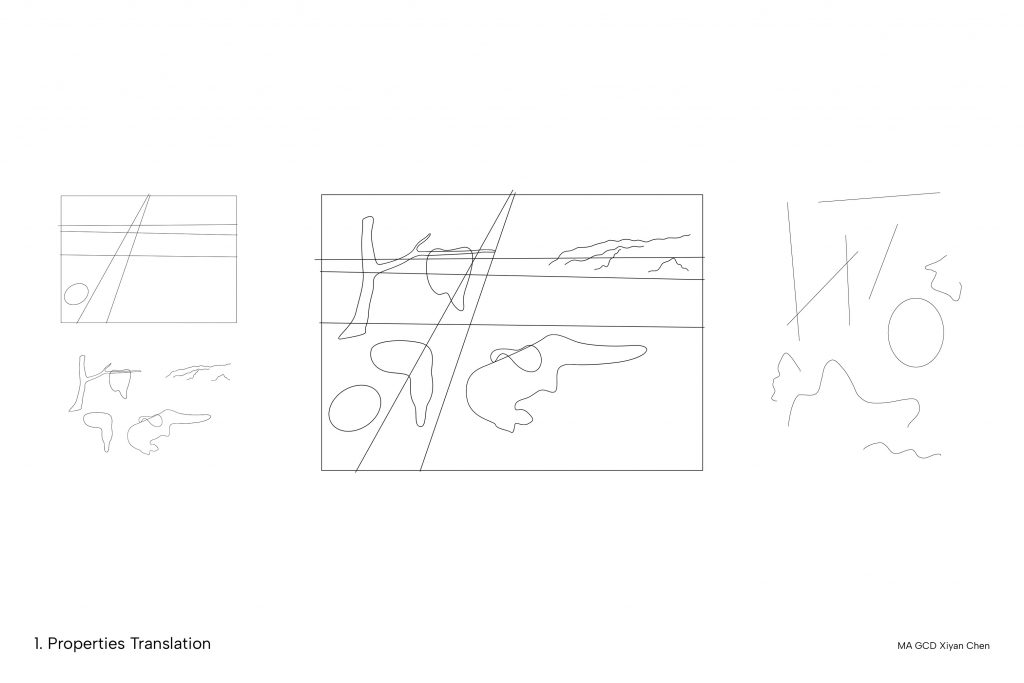
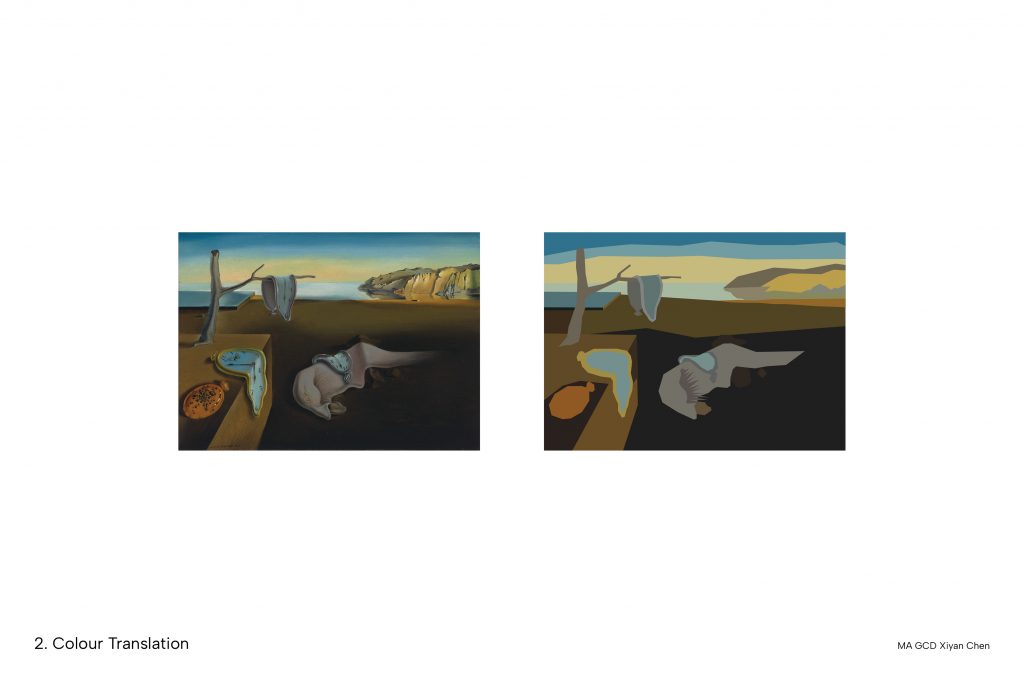
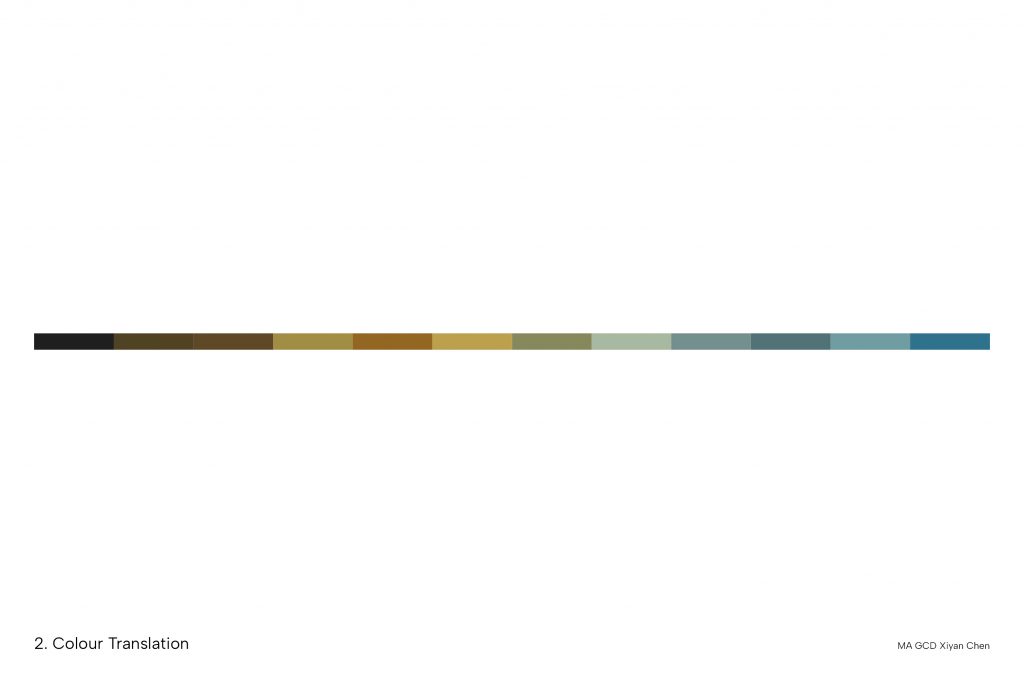
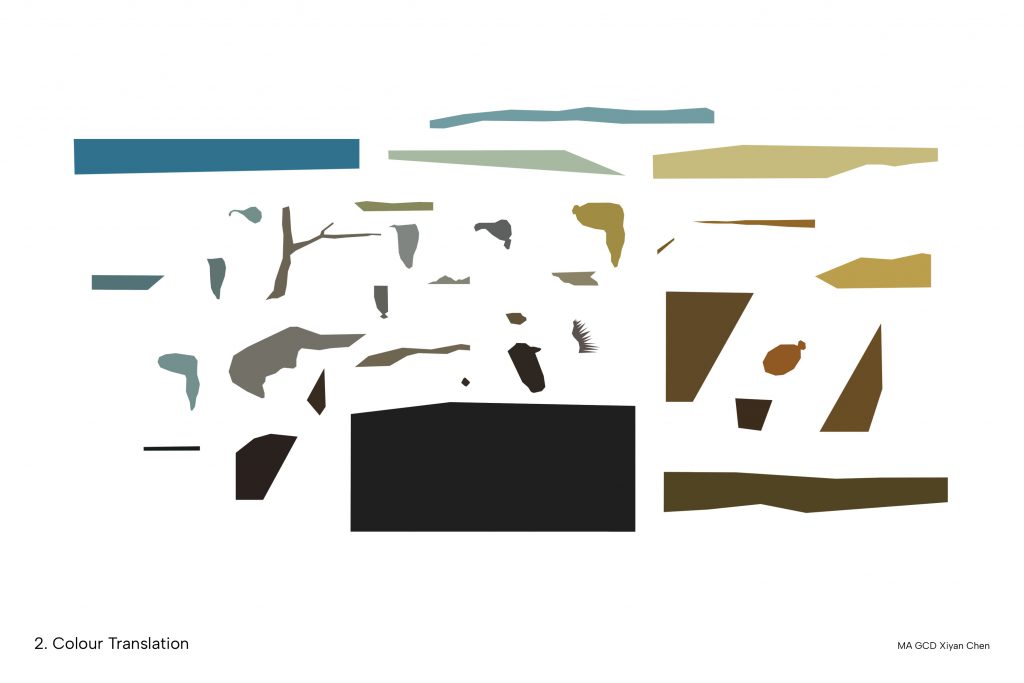
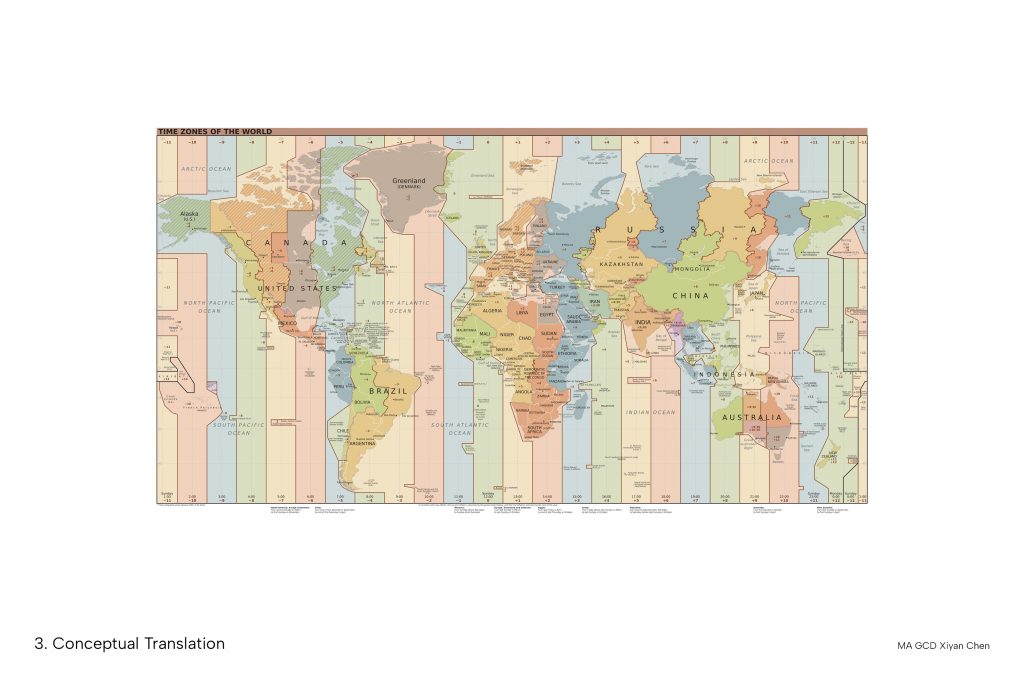
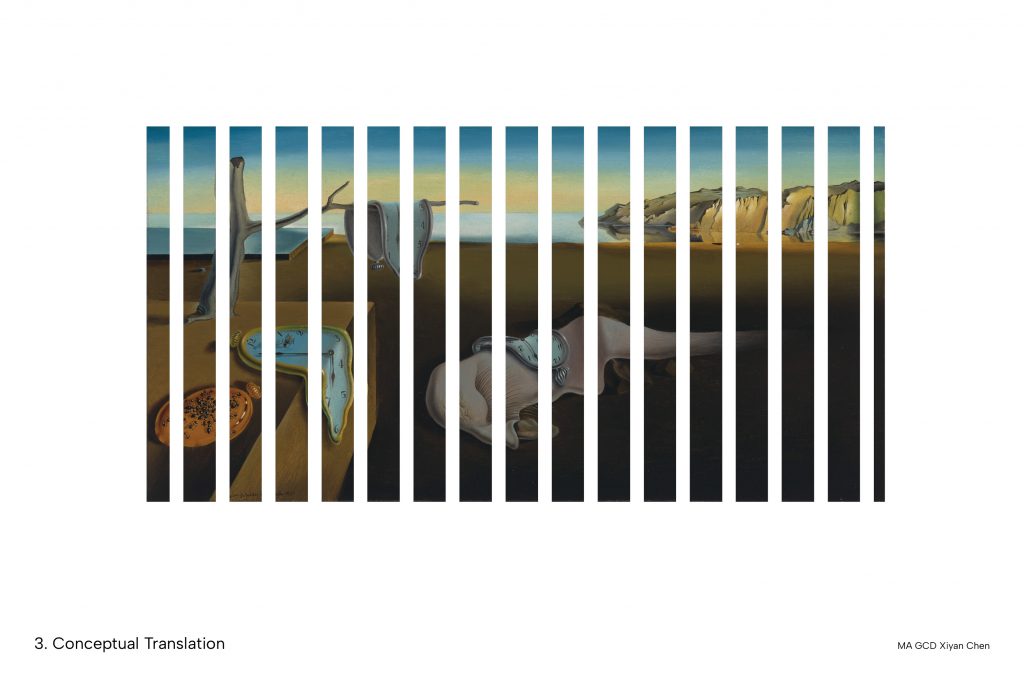
Methods of Cataloguing unit explored experimental approaches to how information is being arranged and categorised to create meaning. I catalogued a section of texts from Shannon Mattern’s article, Library as Infrastructure(2014), using different approaches to further analyse its content and modes of communication.
In my first method of cataloguing, I organised the information according to its linguistic properties, ranging from academic terminology, technological vocabulary to metaphorical expressions and philosophical discourses. This approach was inspired by the administrative methods described in Benedict Anderson’s writing in Census, Map, Museum, which required information to be categorised based on “totalising classificatory grid”(2006, p.171). This ensured that everything is “determinate” and hence definite and countable, neglecting the space for obscurity that often exists in the context of language.
This “serialisation” of content assumed that information is made up of “replicable plurals”(Anderson 2006, p.180) to simplify the reading of large quantities of data. However, this method cannot democratise the access to meaning in the case of written texts. It was almost impossible to produce any tangible meaning out of these disjoined words and phrases if catalogued according to its linguistic properties. There is the risk of producing anomalies when syntax has been destroyed to serve the rigid categorisations. By taking apart the text into short phrases or even singular words, its highly academic and technical vocabulary demonstrates a scrutinised approach towards the discourse. This only provides an overview of the tone of voice and the nature of content, which gatekeeps comprehension of meaning to a limited group of audience.
The second method focused on the conceptual framework of distinct sentences or phrases. Referring to Michel Foucault’s ideas in The Order of Things, the establishment of a “system of elements” and a “preliminary criterion”(2001, p.xxi) to sort entities is the foundation of any cataloguing methods, hence I created a set of headings to act as the “common locus”(Foucault 2001, p.xvi) for information to be classified. The categories included social functions, technological transformation, infrastructure metaphors, historical evolution, and knowledge production models.
The process of conceptual cataloguing revealed the intricate layers of meaning that extend beyond mere linguistic properties. By employing Foucault’s epistemological approach, I noticed how meaning is not simply a static entity but a bridging of contextual elements. This process is “more dubious”, but “more true”(Foucault 2001, p.xxiv) than giving certain expressions an explicit form. The conditions of possibility was unable to be contained within the linguistic properties of a singular word, but works together with punctuation, grammar, and syntax to construct sophisticated meanings.
This exploration of cataloguing methods investigates the complex processes of creating meaning through information organisation. By challenging traditional cataloguing methods, I observed how meaning emerges not through rigid classification, but through nuanced interactions between language, context, and conceptual frameworks, ultimately highlighting the intricate nature of knowledge production and communication.
Bibliography
Anderson, Benedict. (2006) “Census, Map, Museum,” in Imagined Communities: Reflections on the Origin and Spread of Nationalism. London, UNITED KINGDOM: Verso, pp. 163–185. Available at: http://ebookcentral.proquest.com/lib/ual/detail.action?docID=5176951 (Accessed: October 24, 2025).
Foucault, M. (2001) “Preface,” in The Order of Things. Oxford, UNITED KINGDOM: Taylor & Francis Group, pp. xvi–xxvi. Available at: http://ebookcentral.proquest.com/lib/ual/detail.action?docID=240649 (Accessed: October 25, 2025).
Mattern, S. (2014) “Library as Infrastructure.” Available at: https://placesjournal.org/article/library-as-infrastructure/?cn-reloaded=1 (Accessed: October 24, 2025).