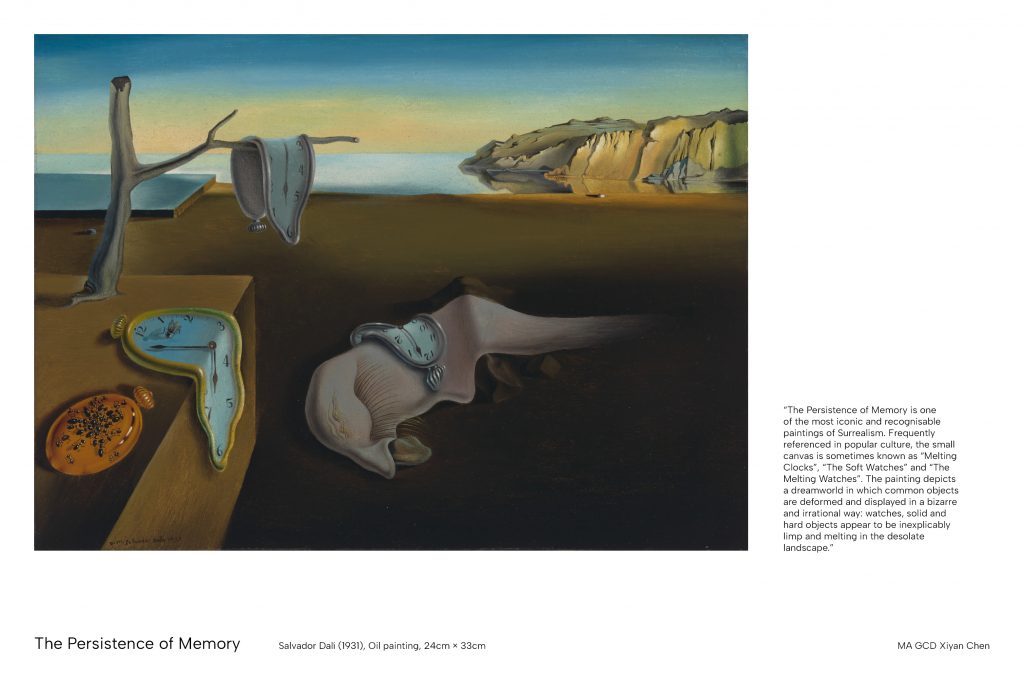
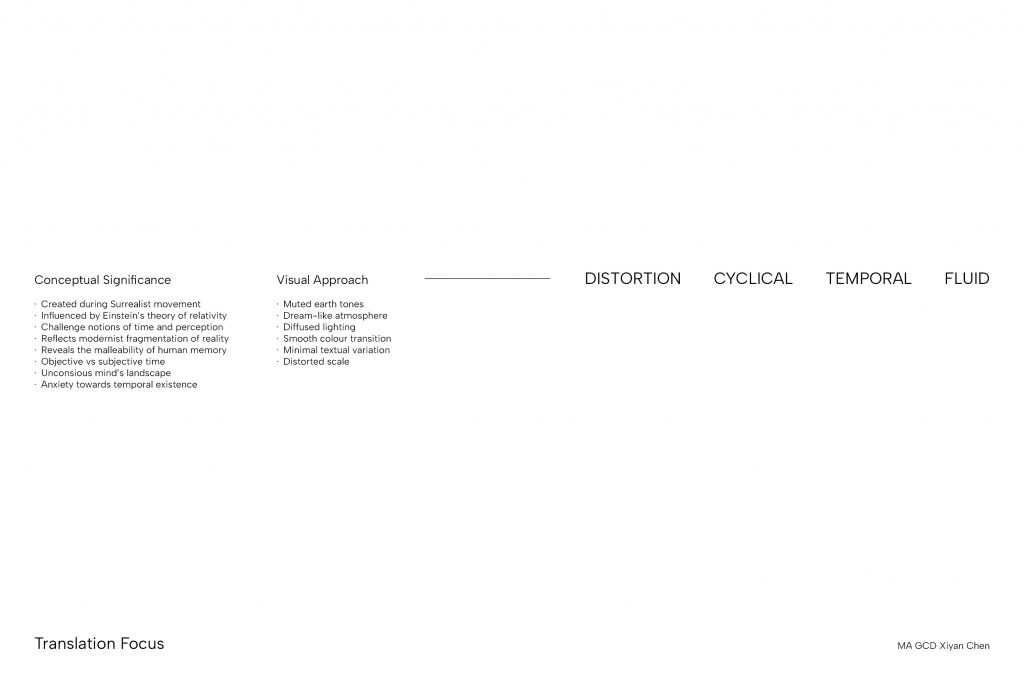
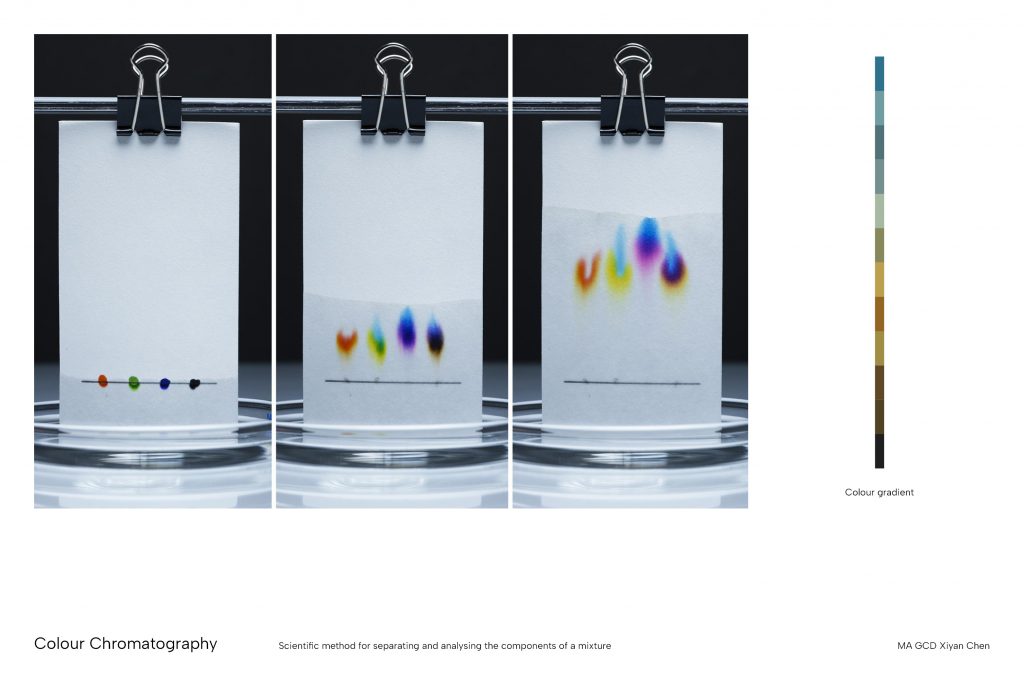
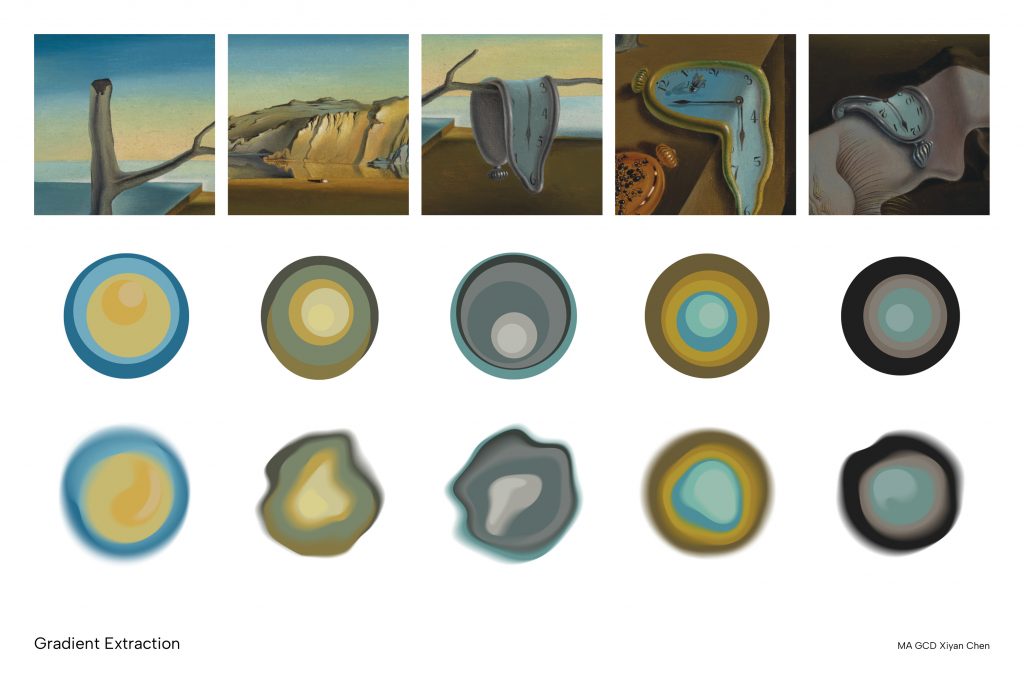
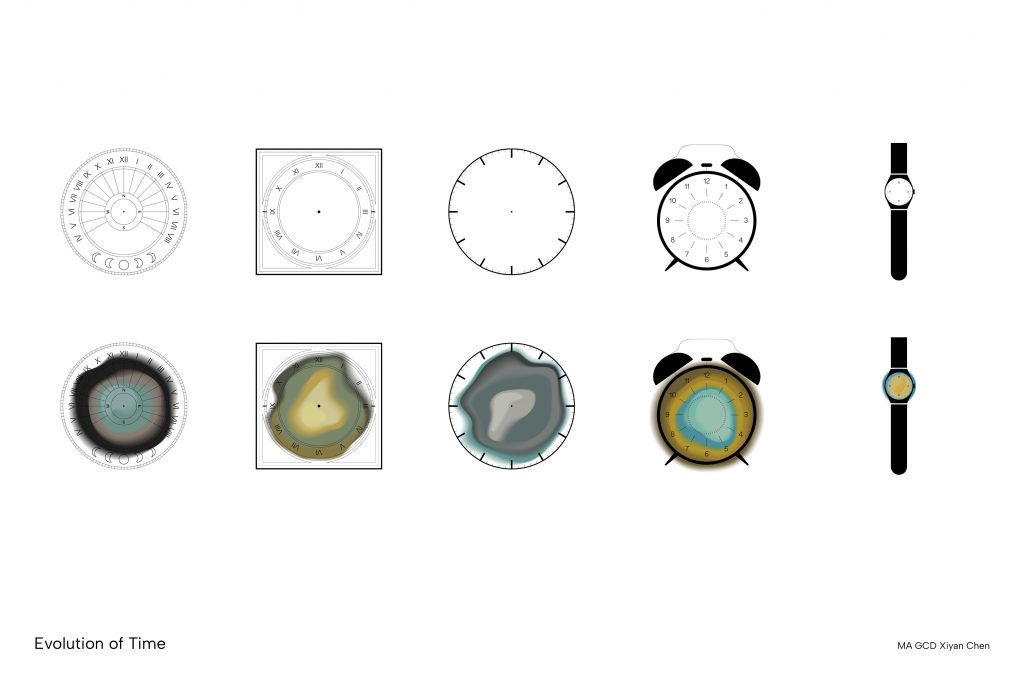
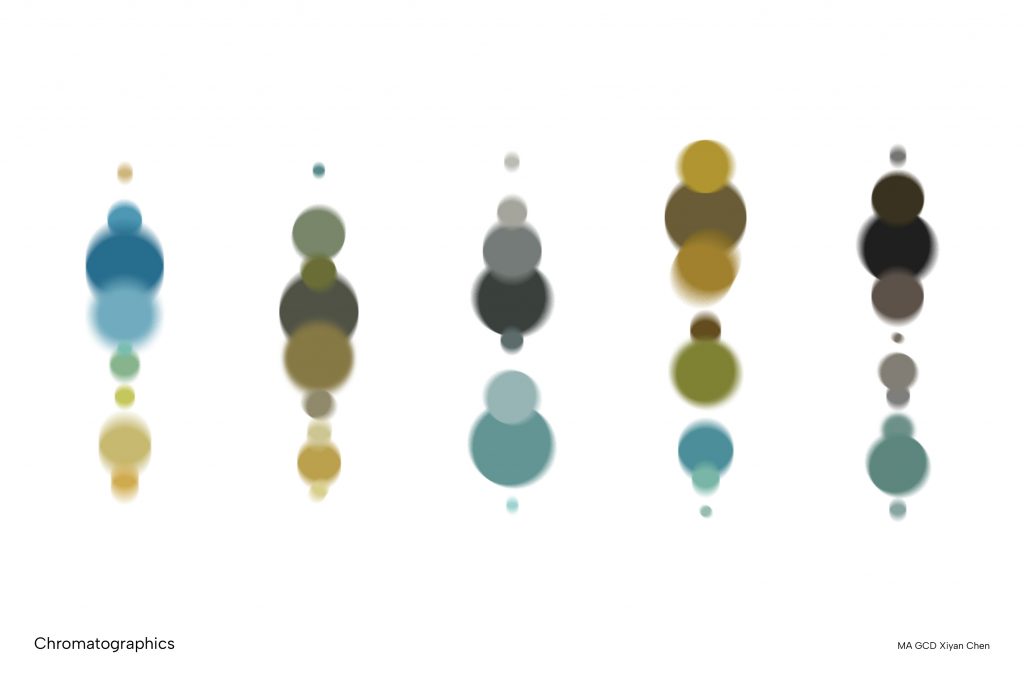
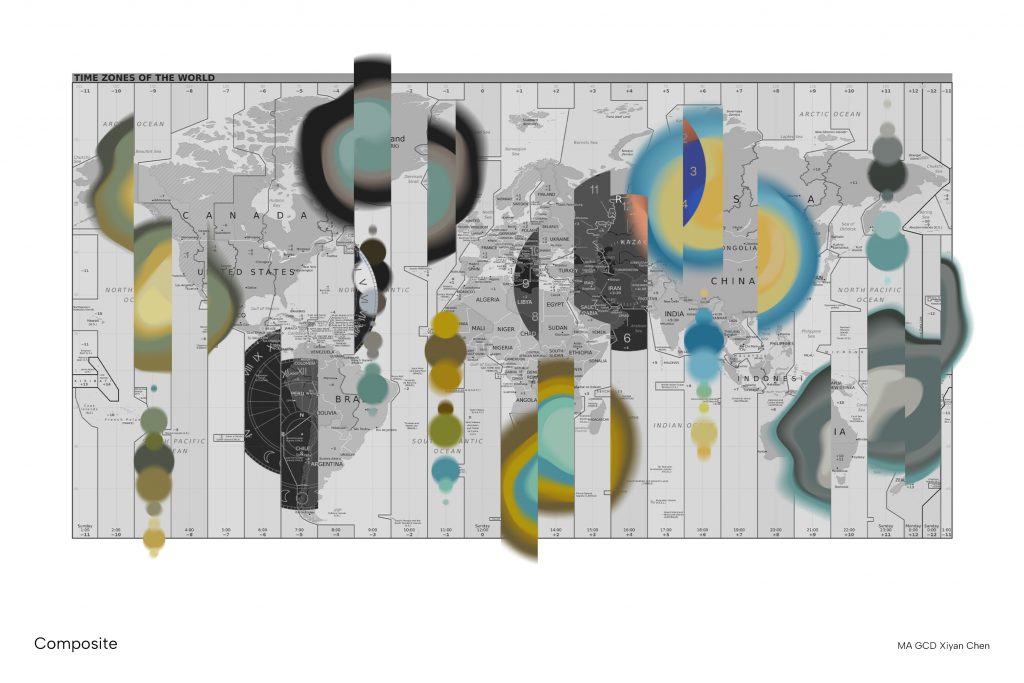
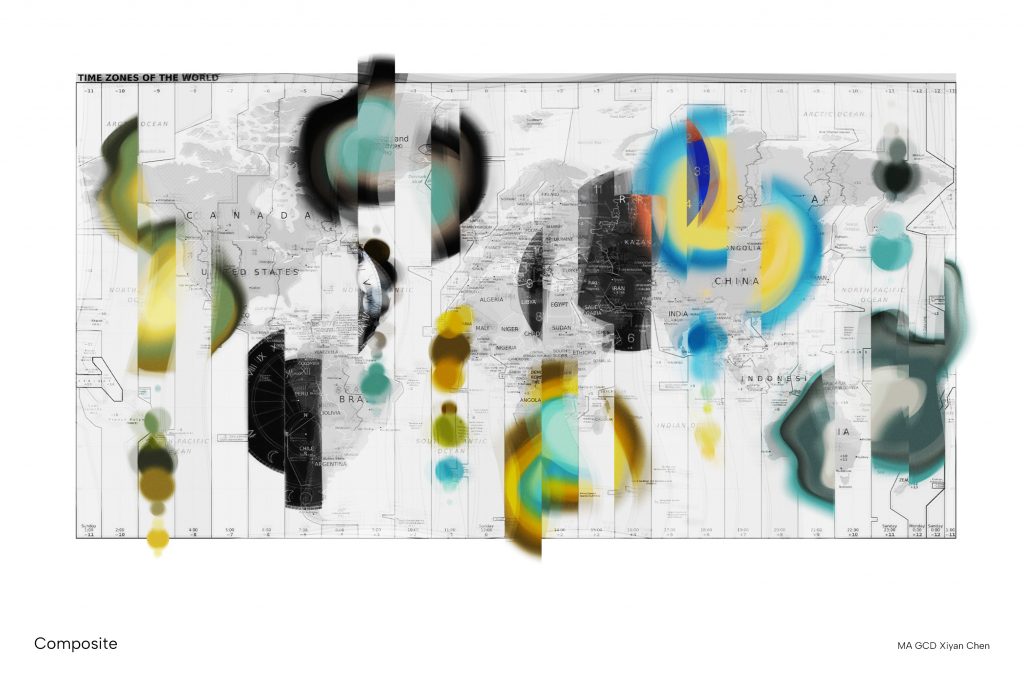
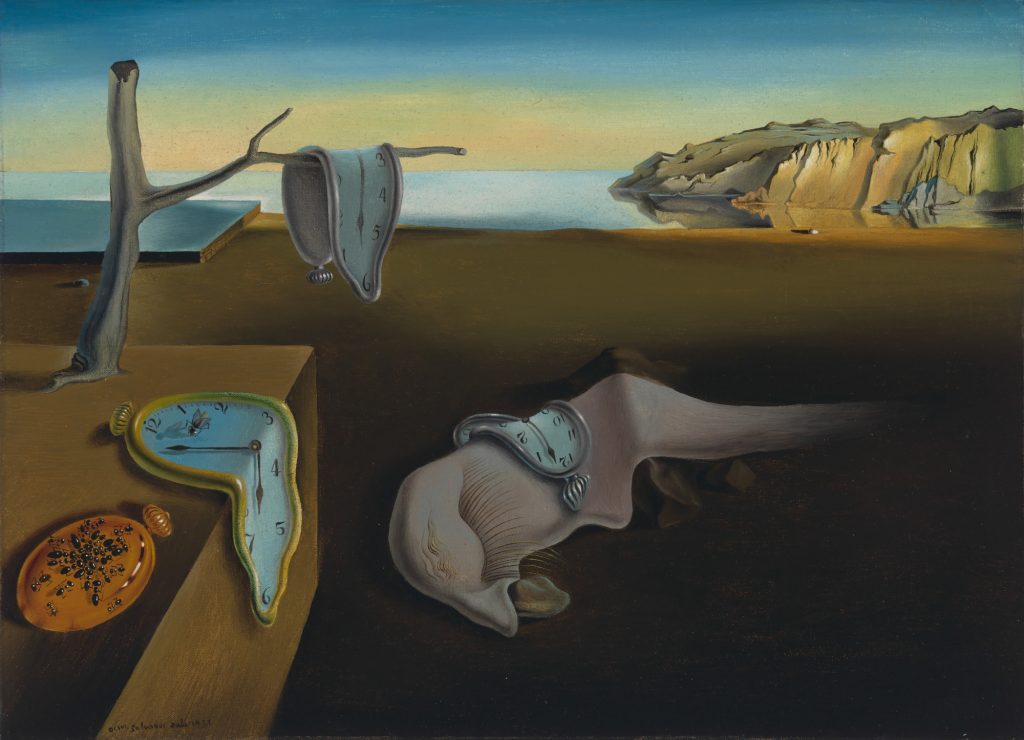
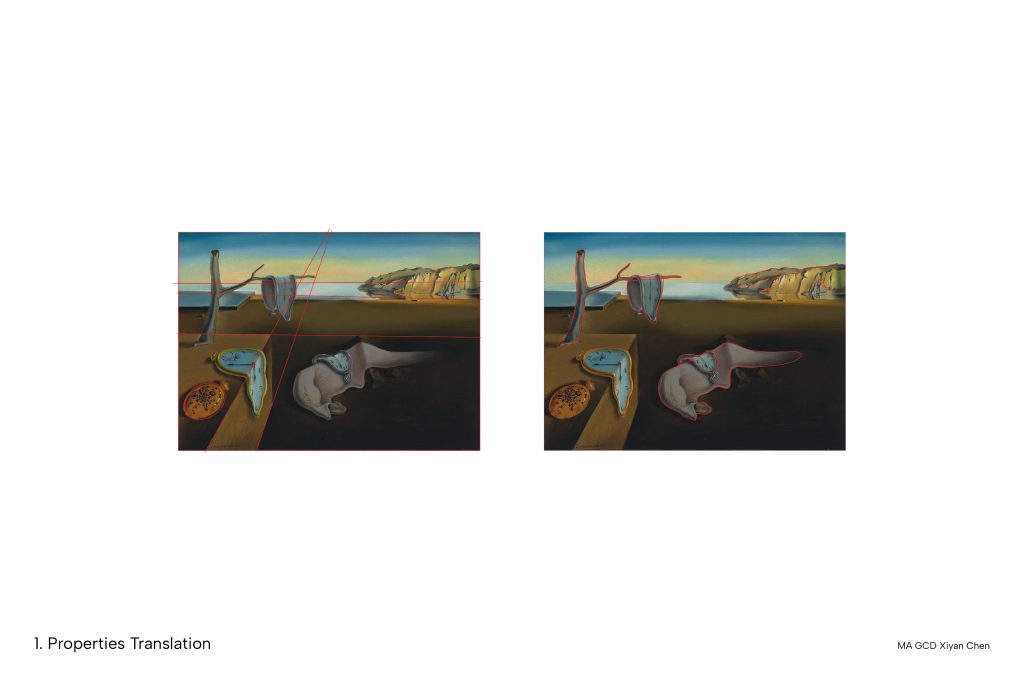
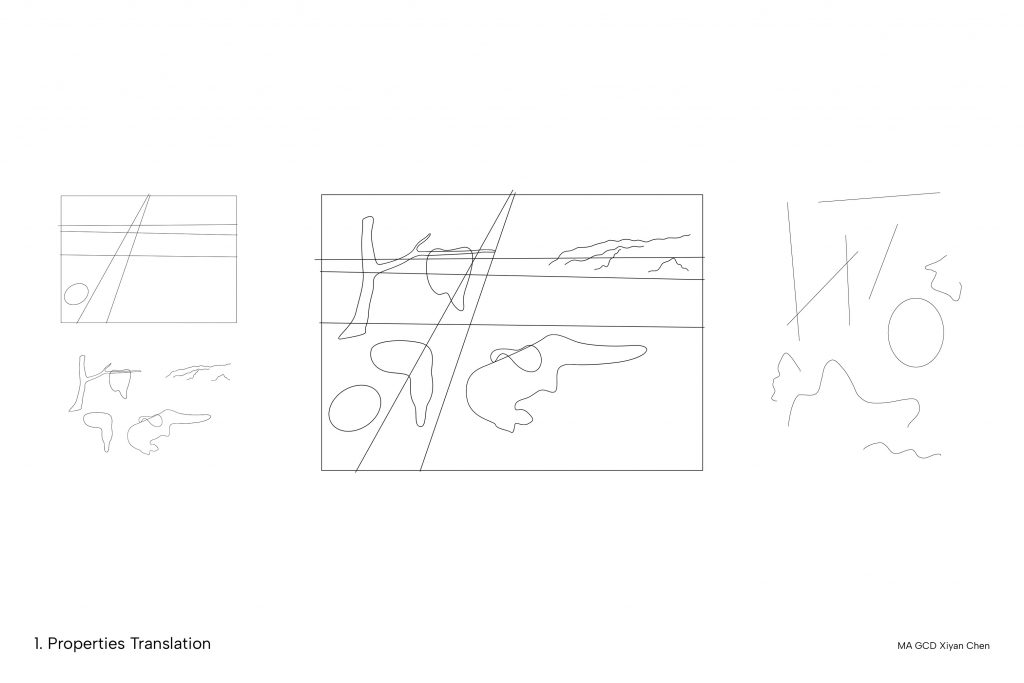
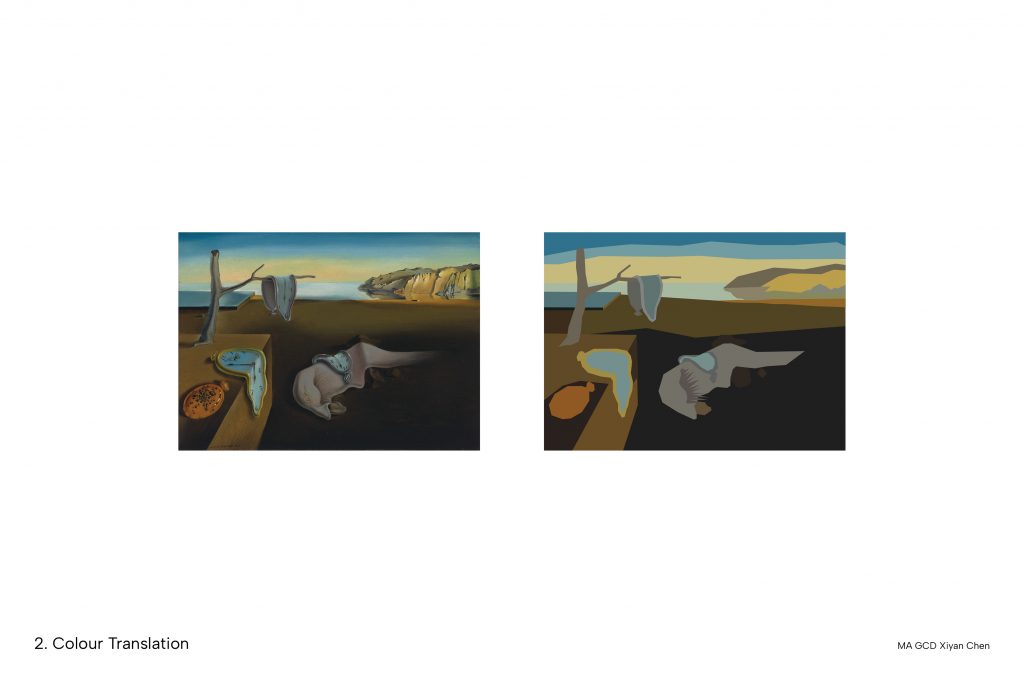
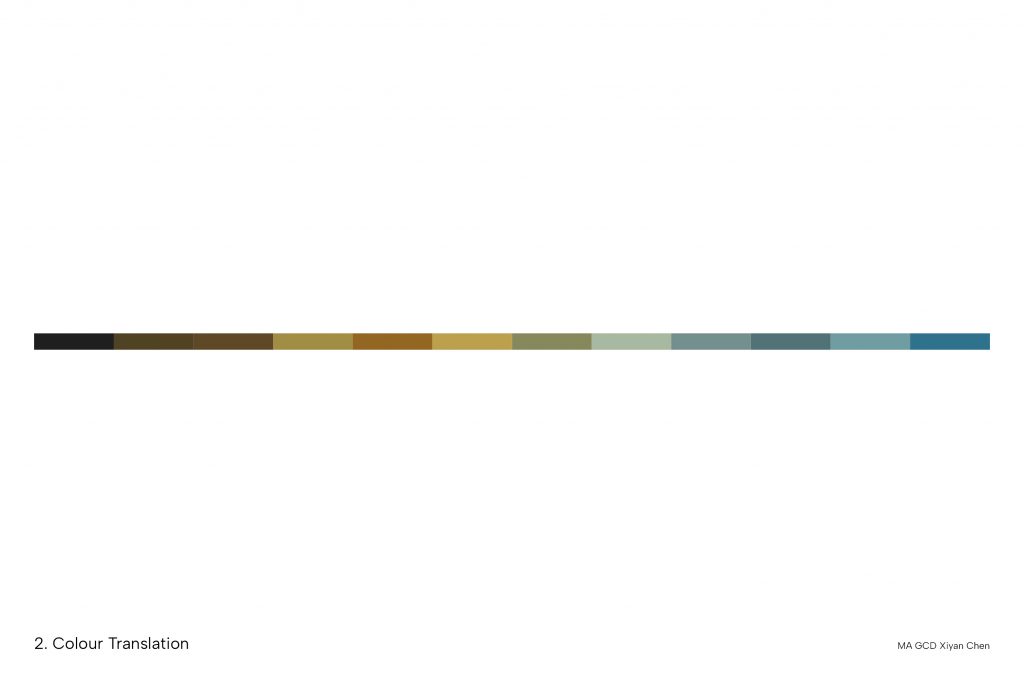
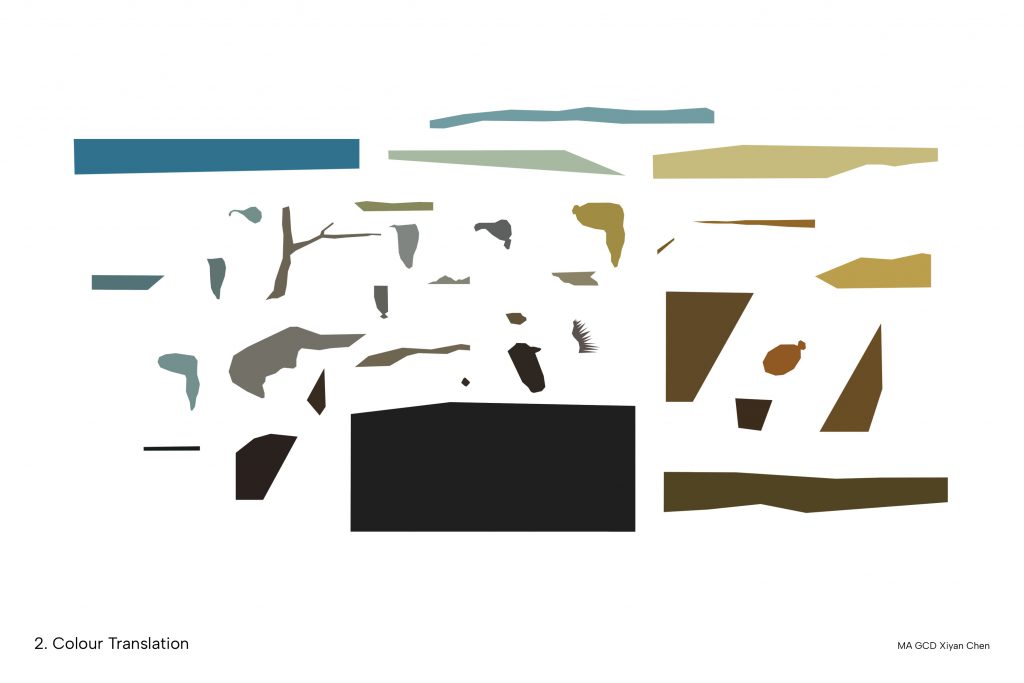
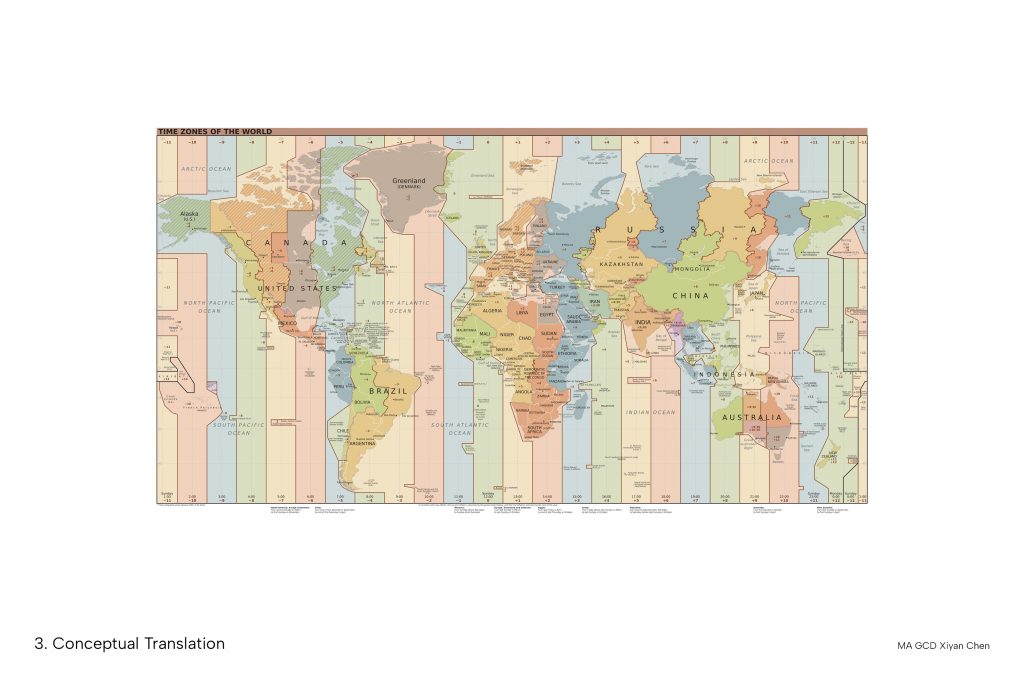
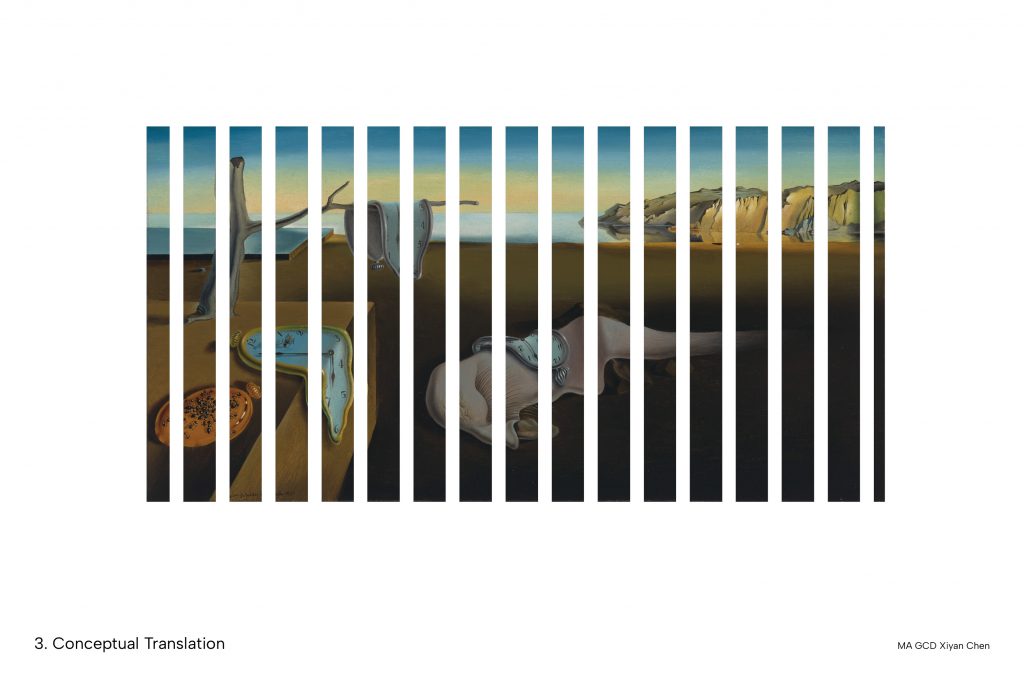
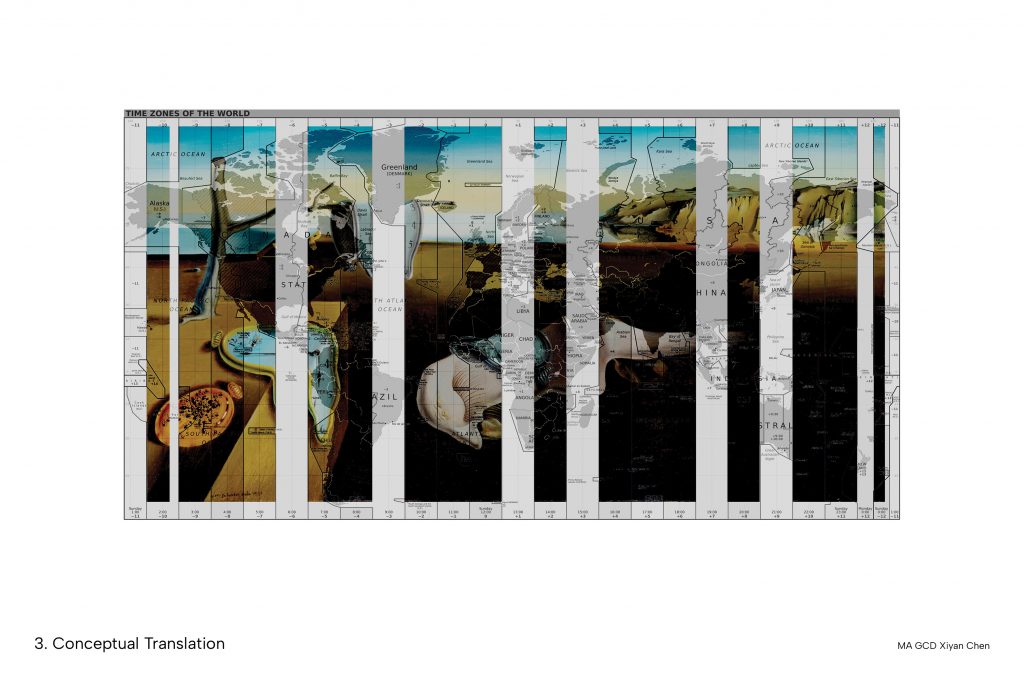
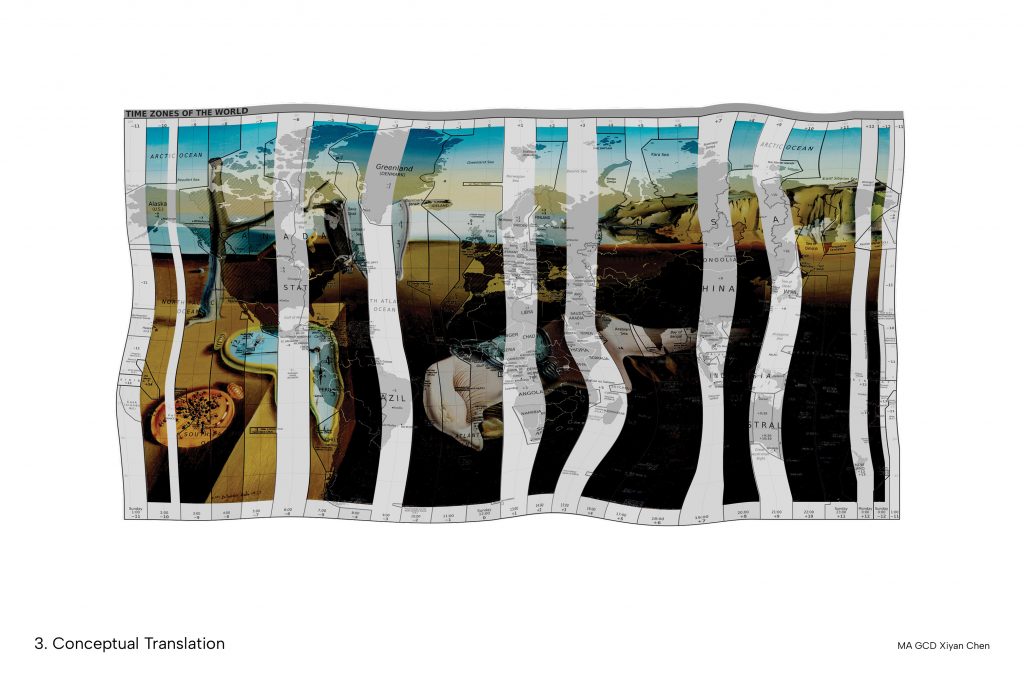
In this unit of Methods of Translating, I explored Hito Steyerl’s “In Defense of the Poor Image” (2010) through the writing style of Italo Calvino’s “Invisible Cities” (1972), to investigate experimental methods of translation.
Steyerl describes digital images as dynamic entities that move, transform, and circulate across networks (2010). Poor visuals, such as the compressed, damaged photographs and films that circulate constantly on the internet, are more than just technical faults. They are a type of radical communication with political and social implications that go beyond their basic formal aspects (Steyerl 2010, p. 32). This perspective challenges established visual production hierarchies, which formerly regarded high-resolution, museum-quality photos as the pinnacle of artistic and documentary value.
In a parallel way, Calvino’s “Invisible Cities” (1972) depicts metropolitan environments as mental landscapes, with each metropolis serving as a metaphor for human existence. This translation method democratised traditional academic writing, transforming theoretical concepts into narrative explorations. Using Calvino’s method of imaginary cities, I created a landscape where images become living entities, reflecting Steyerl’s notion of the ever-moving “poor image”:
- The “City of Circulation” reframes pictures as travellers, relinquishing their original identities via transmission. Images become migrant entities, losing their original context with each transmission. I have seen how images transform when they cross linguistic and cultural boundaries – a blurry screenshot from a Japanese anime forum might communicate more about contemporary culture than a high-resolution museum photograph.
- The “Trading City of Resolution” reveals compressed images as a means of cultural and commercial exchange. This resonates with Steyerl’s argument where poor images represent alternative circuits of knowledge production, by circulating through underground networks and avoiding official channels of distribution.
This narrative approach demonstrates how imaginative narrative makes abstract ideas more accessible. The dialogic structure between an archivist and a theorist exploring each city provides a framework for the communication of ideas through colloquial form, while further deconstructing the traditional academic writing structures. It challenges how we communicate in a world where technology and communication methods constantly reshapes our understanding of visual language.
I began to notice that, rather than linear argumentation, texts can create multiple perspectives where each “city” function as a unique lens for understanding digital image circulation. The compression of ideas represents the process information, which loses technical precision while increasing conceptual complexity.
By bringing together media theory and literary experimentation, the text generates a new form of communication. It suggests that understanding complicated concepts involves more than just facts, but also imagination, narrative, and viewpoint in order to duplicate and iterate on current ideas. Communication is fundamentally about movement, transformation, and connection. As poor images gain power through circulation, ideas also gain meaning through creative reimagining.
This translation exercise is an investigation into other forms of theoretical communication. These experimental linguistic structures demonstrate the potential of experimental translation, which breaks down traditional barriers to academic communication and offers new perspectives for understanding complex theoretical topics.
Bibliography
Calvino, I. (1972) Invisible Cities. Orlando: Harcourt Brace & Company.
Steyerl, H. (2012) “In Defense of the Poor Image,” in The Wretched of the Screen. Berlin: Sternberg Press, pp. 31–45.